The Paperless Revolution: How Digital Receipts are Reshaping the Printing Industry
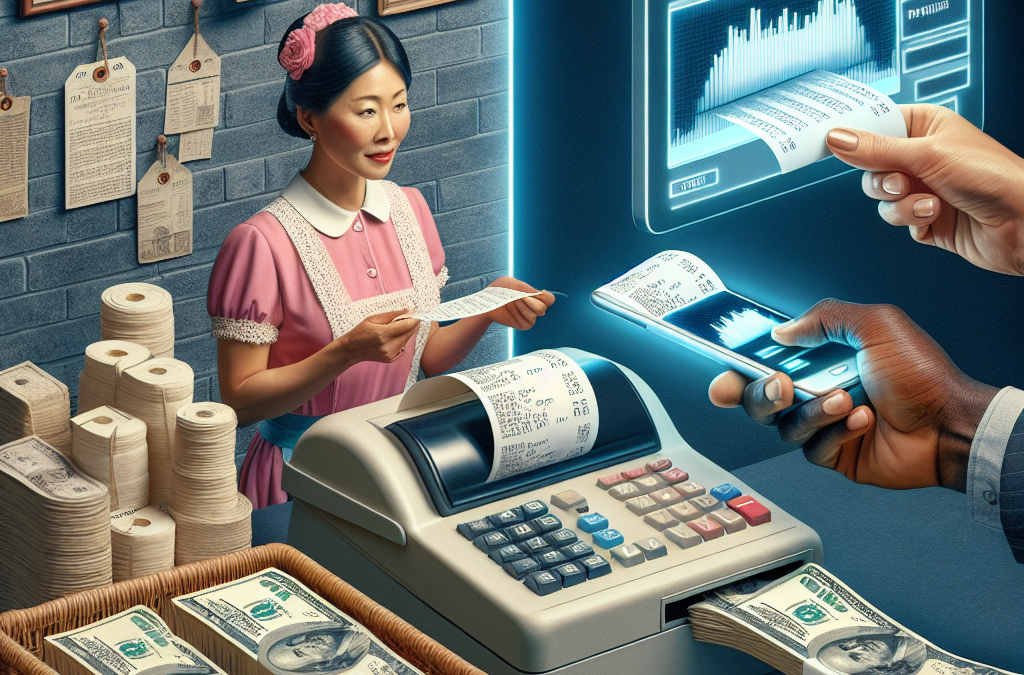
In the digital age, where smartphones and tablets have become an integral part of our daily lives, it’s no surprise that even the humble receipt is undergoing a transformation. Gone are the days of crumpled pieces of paper cluttering our wallets and purses. Instead, a shift towards digital receipts is gaining momentum, promising convenience and efficiency for both consumers and businesses alike. But what does this mean for the printing industry, which has long relied on the production of paper receipts? In this article, we will explore the rise of digital receipts, the benefits they offer, and the potential impact on printing companies.
Digital receipts, also known as e-receipts or electronic receipts, are essentially the digital equivalent of their paper counterparts. Instead of receiving a physical piece of paper after a transaction, consumers are now offered the option to receive their receipts via email, text message, or through mobile apps. This shift towards digital receipts is driven by several factors. Firstly, it aligns with the growing trend of digitization, as people increasingly rely on their smartphones for various tasks, including managing their finances. Secondly, digital receipts offer convenience and organization, as they can be easily stored, searched, and accessed whenever needed. Finally, e-receipts contribute to sustainability efforts by reducing paper waste and minimizing the environmental impact of printing.
While the adoption of digital receipts offers numerous benefits, it does raise concerns about the future of the printing industry. With fewer paper receipts being printed, printing companies may experience a decline in demand for their services. This shift could have significant implications for the industry, including job losses and a need to adapt to new market demands. However, it’s important to note that the impact may not be entirely negative. As the demand for paper receipts decreases, printing companies could redirect their resources towards other areas, such as packaging or promotional materials, to stay relevant in the digital age.
In the following sections, we will delve deeper into the advantages of digital receipts for both consumers and businesses. We will also explore the potential challenges and opportunities faced by the printing industry in light of this digital shift. By examining the current landscape and considering future trends, we aim to provide a comprehensive analysis of the impact of digital receipts on printing and how the industry can adapt to thrive in this changing landscape.
Key Takeaways:
1. The rise of digital receipts is transforming the retail industry, leading to a significant reduction in paper usage and printing costs. With the increasing popularity of mobile payment options and e-commerce, consumers are now opting for digital receipts as a convenient and eco-friendly alternative to traditional paper receipts.
2. Digital receipts offer numerous benefits to both retailers and consumers. Retailers can streamline their operations by eliminating the need for paper receipts, reducing storage space requirements, and simplifying the return process. Consumers, on the other hand, can easily access and organize their receipts digitally, making it more convenient for returns, warranty claims, and expense tracking.
3. The adoption of digital receipts is driven by various factors, including environmental concerns, cost savings, and technological advancements. As businesses strive to become more sustainable and reduce their carbon footprint, transitioning to digital receipts aligns with their corporate social responsibility goals. Moreover, digital receipts eliminate the need for expensive printing equipment, paper, and ink, resulting in significant cost savings for retailers.
4. Despite the advantages of digital receipts, there are still challenges to overcome. Not all consumers are comfortable with the idea of sharing personal information digitally, which raises concerns about data privacy and security. Retailers must address these concerns by implementing robust security measures and providing clear information about how customer data is stored and used.
5. The shift towards digital receipts presents opportunities for innovation and integration with other technologies. Retailers can leverage digital receipts to offer personalized promotions, loyalty programs, and targeted marketing campaigns. Additionally, the integration of digital receipts with accounting software and expense management tools can simplify financial processes for businesses and individuals alike.
Overall, the transition to digital receipts marks a significant shift in the retail industry, with far-reaching implications for both sustainability and operational efficiency. As technology continues to advance, digital receipts are likely to become the norm, revolutionizing the way we interact with receipts and reducing our reliance on paper-based systems.
Insight 1: Reduced Environmental Impact and Cost Savings
The adoption of digital receipts over traditional paper receipts has significant environmental benefits and cost savings for businesses. Paper receipts contribute to deforestation, as millions of trees are cut down each year to produce the paper needed for receipts. Additionally, the production and disposal of paper receipts require substantial amounts of water, energy, and chemicals, further contributing to environmental degradation.
By transitioning to digital receipts, businesses can greatly reduce their carbon footprint. Digital receipts are sent via email or text message, eliminating the need for paper and reducing waste. This shift towards digital receipts aligns with the growing trend of sustainability and corporate social responsibility, allowing businesses to showcase their commitment to the environment.
Moreover, digital receipts offer cost savings for businesses. Printing and distributing paper receipts can be expensive, especially for large retailers with numerous transactions. By eliminating the need for paper, ink, and printing equipment, businesses can significantly reduce their operational costs. Additionally, digital receipts can be easily stored and accessed electronically, eliminating the need for physical storage space.
Insight 2: Enhanced Customer Experience and Data Analytics
The shift towards digital receipts also brings about an improved customer experience and valuable data analytics for businesses. Digital receipts offer convenience and ease for customers, eliminating the hassle of keeping track of paper receipts. Customers can easily search for and retrieve digital receipts when needed, making returns, exchanges, and warranty claims much more seamless.
Furthermore, digital receipts provide businesses with valuable data analytics. By collecting customer email addresses or phone numbers to send digital receipts, businesses can gather important information about their customers. This data can be used to personalize marketing campaigns, track customer preferences, and improve overall customer satisfaction. For instance, businesses can analyze purchase patterns to offer tailored recommendations or promotions to individual customers, enhancing the customer experience and driving sales.
Data analytics from digital receipts also enable businesses to better understand their inventory and supply chain. By tracking which products are frequently purchased and returned, businesses can optimize their inventory management, reducing waste and ensuring that popular items are always in stock. This data-driven approach can lead to more efficient operations, cost savings, and improved customer satisfaction.
Insight 3: Challenges and Considerations for Businesses
While the shift towards digital receipts offers numerous benefits, businesses need to consider certain challenges and factors before fully embracing this transition. One major challenge is ensuring data security and privacy. With digital receipts, businesses collect and store customer information, which requires robust cybersecurity measures to protect against data breaches and unauthorized access. Businesses must invest in secure systems and protocols to safeguard customer data and maintain customer trust.
Another consideration is the digital divide, particularly for businesses serving diverse customer demographics. While many people have access to smartphones and email, there are still segments of the population, such as the elderly or those in low-income communities, who may not have reliable internet access or digital literacy skills. Businesses must ensure that alternative options, such as printed receipts, are available for customers who prefer or require them.
Additionally, businesses should be mindful of the potential for digital overload. As more businesses transition to digital receipts, customers may become overwhelmed with the influx of emails or text messages. To mitigate this, businesses should implement opt-in systems, allowing customers to choose whether they want to receive digital receipts. Furthermore, businesses should strike a balance between digital and physical interactions, ensuring that the personal touch and human connection are not lost in the shift towards digital receipts.
The shift towards digital receipts brings significant benefits for businesses, the environment, and customers. reduced environmental impact, cost savings, enhanced customer experience, and valuable data analytics are key advantages of adopting digital receipts. however, businesses must address challenges related to data security, the digital divide, and digital overload to ensure a successful transition. overall, the shift towards digital receipts represents a positive evolution in the printing industry, aligning with the growing demand for sustainability and digital innovation.
The Rise of Digital Receipts
The first section of this article will explore the reasons behind the shift towards digital receipts and the factors that have contributed to their increasing popularity. We will discuss how digital receipts offer convenience, reduce paper waste, and provide a more efficient way of managing transactions. Case studies of businesses that have successfully implemented digital receipt systems will also be examined to demonstrate the benefits they offer.
The Environmental Impact of Paper Receipts
In this section, we will delve into the environmental impact of paper receipts and the role they play in contributing to deforestation and waste. We will discuss statistics on the number of trees and energy consumed in the production of paper receipts, as well as the amount of waste generated by their disposal. Additionally, we will explore the carbon footprint associated with the transportation and delivery of paper receipts and how digital receipts can help mitigate these environmental concerns.
The Benefits of Digital Receipts for Businesses
This section will focus on the advantages that digital receipts offer to businesses. We will discuss how digital receipts streamline accounting processes, reduce costs associated with printing and storage, and provide opportunities for targeted marketing and customer engagement. Examples of businesses that have experienced increased efficiency and improved customer satisfaction through the use of digital receipts will be highlighted.
Consumer Adoption of Digital Receipts
Here, we will examine the factors influencing consumer adoption of digital receipts. We will discuss the growing preference for digital transactions and the convenience they offer in terms of record-keeping and expense tracking. The section will also explore potential concerns and barriers to adoption, such as privacy and security issues, and how businesses can address these to encourage greater acceptance of digital receipts.
The Role of Technology in Digital Receipts
This section will delve into the technological advancements that have facilitated the shift towards digital receipts. We will discuss the development of mobile payment systems and digital wallet applications that enable seamless integration of digital receipts into consumers’ daily lives. Additionally, we will explore emerging technologies such as blockchain and how they can enhance the security and authenticity of digital receipts.
Regulatory and Legal Considerations
In this section, we will examine the regulatory and legal considerations surrounding the use of digital receipts. We will discuss the requirements for ensuring the authenticity and integrity of digital receipts, as well as the legal implications for businesses and consumers. Case studies of countries or regions that have implemented specific regulations or standards for digital receipts will be analyzed to provide insights into best practices and compliance requirements.
Challenges and Limitations of Digital Receipts
Here, we will address the challenges and limitations that businesses and consumers may encounter when transitioning to digital receipts. We will discuss issues such as compatibility with existing systems, accessibility for individuals without smartphones or internet access, and the potential for technical glitches or data loss. Strategies for overcoming these challenges and mitigating the limitations of digital receipts will be explored.
The Future of Receipts and Printing
This section will speculate on the future of receipts and printing in a digital world. We will discuss the potential for further advancements in digital receipt technology, such as integration with artificial intelligence and machine learning algorithms. Additionally, we will explore the implications for the printing industry and how it may adapt to the shift towards digital receipts, including potential opportunities for new printing applications.
Case Studies: Successful Implementation of Digital Receipts
In this section, we will present case studies of businesses that have successfully implemented digital receipt systems. We will examine the challenges they faced, the strategies they employed, and the outcomes they achieved. These case studies will provide real-world examples of the benefits and impacts of digital receipts, offering insights and inspiration for businesses considering making the switch.
In the final section of this article, we will summarize the key points discussed throughout the article and provide a concluding perspective on the shift towards digital receipts and its impact on printing. We will emphasize the benefits of digital receipts for businesses and the environment, as well as the challenges and considerations that need to be addressed. The section will end with a forward-looking statement on the future of receipts and printing in the digital age.
Case Study 1: Starbucks’ Digital Receipts
In recent years, Starbucks has made a significant shift towards digital receipts, aiming to reduce paper waste and streamline their operations. By implementing a digital receipt system, the coffee giant has not only benefited the environment but also improved the customer experience.
Starbucks introduced their digital receipt program in 2015, allowing customers to receive their receipts via email instead of a printed copy. This initiative was primarily driven by their commitment to sustainability and reducing paper waste. By encouraging customers to opt for digital receipts, Starbucks aimed to minimize their environmental impact and promote a more eco-friendly approach.
The impact of Starbucks’ digital receipt program has been remarkable. By the end of 2016, the company reported that over 10 million customers had signed up for digital receipts, resulting in a significant reduction in paper usage. This shift not only saved an estimated 6.5 million pounds of paper but also reduced the company’s carbon footprint.
Moreover, the digital receipt system has improved the customer experience at Starbucks. Customers no longer need to worry about losing or misplacing their paper receipts, as they receive a digital copy directly in their email inbox. This convenience has been well-received by customers, enhancing their overall satisfaction with the brand.
Case Study 2: Walmart’s E-Receipts
Walmart, one of the largest retail chains globally, has also embraced the shift towards digital receipts. By implementing an e-receipt system, Walmart has not only reduced paper waste but also enhanced their customer service and operational efficiency.
Walmart’s e-receipt program allows customers to receive their receipts via email, eliminating the need for printed copies. This initiative was driven by the company’s commitment to sustainability and their desire to streamline their operations. By reducing paper usage, Walmart aimed to minimize their environmental impact while improving their internal processes.
The impact of Walmart’s e-receipt program has been significant. By the end of 2019, the company reported that over 80% of their customers had opted for digital receipts, resulting in a substantial reduction in paper usage. This shift helped Walmart save millions of dollars in printing costs and reduced their carbon footprint.
Furthermore, the e-receipt system has improved the customer experience at Walmart. Customers no longer need to keep track of physical receipts, as they receive a digital copy directly in their email. This convenience has made returns and exchanges easier, as customers can easily access their e-receipts when needed.
Case Study 3: Square’s Digital Receipts and Analytics
Square, a leading payment processing company, has leveraged the shift towards digital receipts to provide valuable insights and analytics to businesses. By offering digital receipts integrated with data analytics, Square has empowered businesses to make informed decisions and improve their operations.
Square’s digital receipt system not only allows businesses to reduce paper waste but also provides them with detailed transaction data. This data includes information such as customer demographics, purchase history, and popular products. By analyzing this data, businesses can gain valuable insights into their customers’ preferences and behaviors.
The impact of Square’s digital receipt and analytics system has been transformative for many businesses. For example, a small boutique clothing store in San Francisco used Square’s digital receipts and analytics to identify their top-selling products and adjust their inventory accordingly. This led to increased sales and reduced waste from unsold items.
Furthermore, Square’s system enables businesses to personalize customer experiences. By understanding customers’ purchasing patterns, businesses can send targeted promotions or recommendations, enhancing customer satisfaction and loyalty.
These case studies illustrate the positive impact of the shift towards digital receipts on printing. companies like starbucks, walmart, and square have successfully implemented digital receipt systems, resulting in reduced paper waste, improved customer experiences, and enhanced operational efficiency. as more businesses embrace digital receipts, the printing industry will continue to adapt, focusing on providing innovative solutions in the digital realm.
FAQs
1. What are digital receipts?
Digital receipts are electronic versions of traditional paper receipts that are sent to customers via email or stored in a mobile app. They contain the same information as paper receipts, such as the date of purchase, items purchased, and total amount paid.
2. Why are businesses shifting towards digital receipts?
There are several reasons why businesses are adopting digital receipts. Firstly, digital receipts are more convenient for customers as they can easily access and organize them on their smartphones or computers. Secondly, digital receipts help businesses reduce paper waste and printing costs. Lastly, digital receipts provide valuable data for businesses to analyze customer purchasing patterns and preferences.
3. How does the shift towards digital receipts impact printing?
The shift towards digital receipts has a significant impact on printing. With fewer customers opting for paper receipts, businesses can reduce their printing needs, resulting in cost savings and a decrease in paper waste. This shift also reduces the demand for receipt printers and related printing supplies.
4. Are digital receipts secure?
Yes, digital receipts are secure. Businesses take precautions to ensure that customer information is protected and encrypted. Additionally, digital receipts eliminate the risk of losing or misplacing paper receipts, as they can be easily stored and accessed electronically.
5. Can I still get a paper receipt if I prefer it?
Yes, many businesses still offer the option for customers to receive a paper receipt if they prefer it. However, it is becoming increasingly common for businesses to encourage customers to opt for digital receipts to reduce paper waste and streamline operations.
6. Can digital receipts be used for returns or warranty claims?
Yes, digital receipts can be used for returns or warranty claims. Most businesses accept digital receipts as proof of purchase, just like paper receipts. However, it’s always a good idea to check the return policy or warranty terms of the specific business to ensure that digital receipts are accepted.
7. Do digital receipts have the same legal validity as paper receipts?
Yes, in most jurisdictions, digital receipts have the same legal validity as paper receipts. Electronic records are generally accepted as evidence of a transaction, as long as they contain all the necessary information required by law, such as the date, time, and details of the purchase.
8. Are there any disadvantages to using digital receipts?
While digital receipts offer many benefits, there are a few potential disadvantages. One is the reliance on technology. If a customer’s device malfunctions or they lose access to their digital receipts, it may be challenging to retrieve proof of purchase. Additionally, some customers may have privacy concerns about sharing their email address or personal information to receive digital receipts.
9. Can I easily organize and track my digital receipts?
Yes, organizing and tracking digital receipts is usually straightforward. Many mobile apps and software platforms allow customers to categorize and search their digital receipts based on date, store, or purchase amount. This makes it easier to track expenses and find specific receipts when needed.
10. What are the environmental benefits of digital receipts?
One of the significant environmental benefits of digital receipts is the reduction in paper waste. By eliminating the need for paper receipts, businesses can conserve natural resources and reduce deforestation. Additionally, the production and disposal of paper receipts contribute to carbon emissions, so the shift towards digital receipts helps reduce the carbon footprint associated with printing.
1. Embrace digital receipts
Digital receipts offer convenience and help reduce paper waste. Start opting for digital receipts whenever possible, whether it’s at the grocery store, clothing boutique, or restaurant. This small change can have a significant impact on reducing your carbon footprint.
2. Organize your digital receipts
Create a system to manage your digital receipts effectively. Consider using a dedicated email folder or a receipt management app to keep track of your purchases. This way, you can easily find and reference receipts when needed, saving you time and hassle.
3. Check for accuracy
Just like with paper receipts, it’s essential to review your digital receipts for accuracy. Make sure the transaction details, prices, and discounts are correct. If you spot any discrepancies, contact the merchant promptly to address the issue.
4. Utilize expense tracking apps
Take advantage of expense tracking apps that allow you to import and categorize your digital receipts. These apps can help you monitor your spending, create budgets, and analyze your financial habits. Some popular options include Mint, Expensify, and PocketGuard.
5. Opt-out of unnecessary receipts
Many retailers automatically provide receipts, even for small purchases. If you don’t need a receipt, politely decline it. By doing so, you’ll reduce paper waste and contribute to a more sustainable environment.
6. Share digital receipts with others
When splitting expenses with friends or family, share digital receipts instead of printing multiple copies. You can easily forward the email receipt or use apps like Splitwise to divide costs and keep everyone informed.
7. Use digital receipts for returns and warranties
Digital receipts can be just as valid as their paper counterparts when it comes to returns and warranties. Familiarize yourself with the return policies of the stores you frequent and understand their requirements for digital receipts. This way, you can easily handle returns without the need for printed receipts.
8. Consider the environmental impact
Reflect on the environmental impact of printing receipts. Each printed receipt consumes resources like paper, ink, and energy. By consciously choosing digital receipts, you contribute to reducing deforestation, pollution, and waste associated with the printing industry.
9. Educate others
Spread the word about the benefits of digital receipts to your friends, family, and colleagues. Encourage them to make the switch and explain how it can positively impact the environment. By raising awareness, you can inspire others to adopt eco-friendly practices.
10. Advocate for digital receipt options
Engage with businesses and organizations to encourage the adoption of digital receipt options. Reach out to retailers, restaurants, and service providers to express your preference for digital receipts and highlight the environmental advantages. Your feedback can influence their decision-making and contribute to a wider shift towards digital receipts.
Remember, every small step counts in creating a more sustainable future. By implementing these practical tips, you can actively contribute to reducing paper waste and embracing the shift towards digital receipts.
In conclusion, the shift towards digital receipts has had a significant impact on the printing industry. With more businesses adopting digital solutions for their transaction records, the demand for traditional paper receipts has decreased. This has resulted in a decline in printing volume and a shift in focus for printing companies.
One key insight is that digital receipts offer numerous benefits for both businesses and consumers. They are more convenient, as they can be easily accessed and stored on electronic devices. Additionally, they are more environmentally friendly, reducing paper waste and the carbon footprint associated with printing. This aligns with the growing trend of sustainability and conscious consumerism.
However, it is important to acknowledge that not everyone has access to digital devices or reliable internet connections. This poses a challenge for those who still rely on paper receipts for record-keeping and reimbursement purposes. Therefore, it is crucial for businesses to provide alternative options to accommodate all customers.
Overall, the shift towards digital receipts is an inevitable consequence of technological advancements and changing consumer preferences. While it has had a negative impact on the printing industry, it also presents opportunities for innovation and adaptation. As businesses continue to embrace digital solutions, finding a balance between convenience, sustainability, and inclusivity will be key in navigating this transition successfully.
« Back to: Commercial Copier Leasing Guide | Commercial Copier Leasing South Florida