
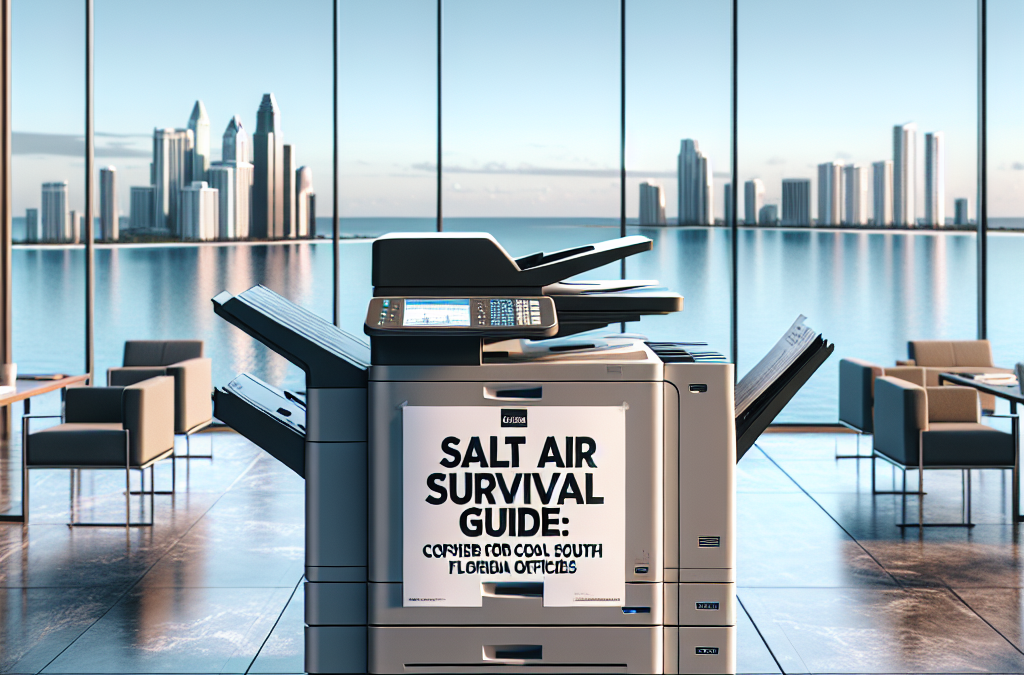
Riding the Wave: Choosing the Right Copiers to Thrive in Coastal South Florida’s Salt Air Environment
Picture this: you’re sitting in your office, overlooking the breathtaking turquoise waters of South Florida’s coast, feeling the gentle sea breeze on your face. It’s a dream come true, right? Well, not entirely. While working in a coastal paradise has its perks, it also comes with its fair share of challenges. One of the most significant challenges faced by businesses in this region is the corrosive nature of salt air. In this Salt Air Survival Guide, we will explore the impact of salt air on office equipment, specifically copiers, and provide valuable insights into selecting copiers that can withstand the harsh coastal environment. From understanding the effects of salt air on copiers to choosing the right copier for your coastal South Florida office, we’ve got you covered. So, let’s dive in and ensure your office thrives in this coastal haven.
Key Takeaways:
1. Understanding the corrosive effects of salt air on office equipment is crucial for businesses located in coastal South Florida.
2. Investing in copiers specifically designed to withstand salt air can save businesses time, money, and frustration in the long run.
3. Regular maintenance and cleaning are essential to prolonging the lifespan of copiers in salt air environments.
4. Implementing preventive measures, such as air filters and humidity controls, can further protect copiers from the damaging effects of salt air.
5. Consulting with experts and choosing copiers with advanced features like sealed components and anti-corrosion coatings can ensure optimal performance and durability in coastal office settings.
The Impact of Salt Air on Copiers in Coastal South Florida Offices
1. Increased Maintenance and Repair Costs
Living and working in coastal South Florida comes with its fair share of challenges, and one of them is the corrosive nature of salt air. The salty sea breeze that permeates the air can wreak havoc on office equipment, particularly copiers. Copiers contain numerous delicate components, such as circuit boards, rollers, and sensors, which are vulnerable to corrosion caused by salt air. As a result, copiers in coastal South Florida offices require more frequent maintenance and repair, leading to increased costs for businesses.
The salt air accelerates the corrosion process, causing the copier’s internal parts to deteriorate at a faster rate. This corrosion can result in various issues, such as paper jams, misfeeds, and malfunctioning sensors. Additionally, the salt air can cause the ink or toner to clump, affecting the quality of the printed documents. To mitigate these problems, copiers in coastal South Florida offices often require more frequent cleanings, replacement of parts, and professional servicing, all of which add to the overall maintenance and repair costs for businesses.
2. Shortened Lifespan of Copiers
Another significant impact of salt air on copiers in coastal South Florida offices is the shortened lifespan of these machines. Copiers are designed to last for a certain number of years under normal operating conditions. However, the corrosive effects of salt air can significantly reduce their longevity.
The salt particles in the air can settle on the copier’s surfaces, leading to the formation of rust and corrosion over time. This corrosion can damage critical components, such as the fuser unit, imaging drum, and paper feed mechanisms, ultimately rendering the copier inoperable. As a result, copiers in coastal South Florida offices may need to be replaced more frequently than those in non-coastal areas, resulting in additional expenses for businesses.
3. Importance of Proper Maintenance and Protection
Given the challenges posed by salt air, it is crucial for businesses in coastal South Florida to prioritize proper maintenance and protection of their copiers. Taking proactive measures can help extend the lifespan of copiers and reduce the frequency of repairs.
Regular cleaning is essential to remove salt residue from the copier’s surfaces. This includes wiping down the exterior and interior components, such as the paper trays, rollers, and glass platen. Additionally, businesses should consider investing in copier covers or enclosures specifically designed to protect against salt air corrosion. These covers act as a barrier, preventing salt particles from settling on the copier’s surfaces and reducing the risk of corrosion.
Moreover, partnering with a reputable copier service provider is crucial for businesses in coastal South Florida. These providers often offer specialized maintenance plans that include regular inspections, cleanings, and preventive maintenance to address the unique challenges posed by salt air. By adhering to a comprehensive maintenance plan, businesses can minimize downtime, reduce repair costs, and maximize the lifespan of their copiers.
The corrosive nature of salt air in coastal south florida has a significant impact on copiers in office environments. the increased maintenance and repair costs, shortened lifespan of copiers, and the importance of proper maintenance and protection all highlight the need for businesses to be proactive in addressing these challenges. by implementing regular cleaning routines, investing in copier covers, and partnering with reliable service providers, businesses can mitigate the effects of salt air and ensure the longevity and efficiency of their copiers.
Controversial Aspect 1: Environmental Impact of Copiers
One controversial aspect of the ‘Salt Air Survival Guide: Copiers for Coastal South Florida Offices’ is the potential environmental impact of copiers. Copiers consume a significant amount of energy and emit greenhouse gases during their operation. Additionally, the production and disposal of copiers contribute to electronic waste, which can be harmful to the environment if not properly managed.
Proponents of copiers argue that advancements in technology have led to more energy-efficient models, reducing their environmental footprint. They also highlight the importance of recycling and responsible disposal practices to mitigate the impact of electronic waste. Copier manufacturers have made efforts to develop eco-friendly models and promote recycling programs.
On the other hand, critics argue that the overall environmental impact of copiers is still significant, especially considering the large number of copiers used in office settings. They believe that more emphasis should be placed on reducing paper usage and promoting digital alternatives, such as cloud storage and electronic document management systems. These alternatives can significantly reduce the need for physical copies and, consequently, the demand for copiers.
Controversial Aspect 2: Cost of Copier Maintenance and Supplies
Another controversial aspect of the ‘Salt Air Survival Guide: Copiers for Coastal South Florida Offices’ is the cost associated with copier maintenance and supplies. Copiers require regular maintenance, including cleaning, toner replacement, and repairs. Additionally, they often require specialized paper and other supplies, which can be expensive.
Supporters of copiers argue that the costs of maintenance and supplies are necessary investments for the smooth operation of offices. They believe that the convenience and efficiency provided by copiers outweigh the financial burden. They also point out that copier manufacturers often offer service contracts and supply packages, which can help reduce costs and ensure reliable maintenance.
However, critics argue that the cost of copier maintenance and supplies can be exorbitant, especially for small businesses or organizations with limited budgets. They argue that these costs can be unpredictable and add a significant financial strain. Critics suggest exploring alternative options, such as leasing copiers or outsourcing printing needs, as potential cost-saving measures.
Controversial Aspect 3: Security Risks and Data Privacy
The third controversial aspect of the ‘Salt Air Survival Guide: Copiers for Coastal South Florida Offices’ is the potential security risks and data privacy concerns associated with copiers. Copiers often store digital copies of documents, which can be accessed by unauthorized individuals if proper security measures are not in place. This poses a risk of sensitive information falling into the wrong hands.
Proponents of copiers argue that modern models come equipped with advanced security features, such as encryption and user authentication, to protect sensitive data. They believe that with proper configuration and regular updates, copiers can be made secure and pose no greater risk than other office devices, such as computers or printers.
However, critics raise concerns about the potential vulnerabilities of copiers, especially if they are not properly secured or regularly updated. They argue that copiers can be targeted by hackers to gain access to sensitive information or launch cyber attacks. Critics emphasize the need for thorough security protocols, including regular firmware updates, strong passwords, and network segmentation, to mitigate these risks.
The ‘salt air survival guide: copiers for coastal south florida offices’ presents several controversial aspects regarding the environmental impact of copiers, the cost of maintenance and supplies, and the security risks and data privacy concerns associated with these devices. while supporters argue for the advancements in technology, cost-benefit analysis, and security features, critics advocate for alternative solutions, cost-saving measures, and stringent security protocols. it is important for organizations to carefully consider these aspects and weigh the pros and cons before making decisions about copier usage in coastal south florida offices.
1. The Impact of Salt Air on Copiers in Coastal South Florida
Salt air poses a significant challenge for copiers in coastal South Florida offices. The high salt content in the air can lead to corrosion and damage to sensitive copier components. The salt particles can settle on the copier’s internal parts, causing them to malfunction or fail altogether. This section will explore the specific effects of salt air on copiers and the importance of addressing this issue for businesses in the area.
2. Choosing Copiers with Salt Air Resistance
To mitigate the impact of salt air, it is crucial for coastal South Florida offices to select copiers that are specifically designed to withstand these conditions. This section will discuss the key features and technologies to look for when choosing copiers with salt air resistance. Examples of copier models that have proven to be reliable in salt air environments will also be highlighted.
3. Regular Maintenance and Cleaning Procedures
Regular maintenance and cleaning procedures are essential to keep copiers functioning optimally in coastal South Florida offices. This section will delve into the specific maintenance tasks that should be performed to prevent salt air damage. It will also provide guidelines for cleaning copiers to remove salt particles and prevent corrosion. Case studies of businesses that have successfully implemented maintenance and cleaning protocols will be examined.
4. Protective Measures for Copiers
In addition to regular maintenance, there are various protective measures that can be taken to safeguard copiers from salt air damage. This section will explore different options, such as using covers or enclosures to shield copiers from direct exposure to salt air. It will also discuss the benefits of installing air purifiers or dehumidifiers in office spaces to reduce the salt content in the air.
5. Copier Placement and Environment Considerations
Proper placement of copiers can have a significant impact on their longevity in coastal South Florida offices. This section will provide guidance on where to position copiers to minimize salt air exposure. It will also touch on other environmental factors to consider, such as temperature and humidity, that can affect copier performance in salt air environments.
6. The Role of Copier Service Providers
Copier service providers play a crucial role in helping coastal South Florida offices maintain and repair copiers in salt air conditions. This section will discuss the importance of partnering with experienced service providers who understand the unique challenges posed by salt air. It will also highlight the services offered by these providers, such as regular inspections, repairs, and replacement of parts.
7. Case Studies: Success Stories and Lessons Learned
To provide real-world examples, this section will present case studies of businesses in coastal South Florida that have successfully managed copiers in salt air environments. These case studies will showcase the strategies implemented, the challenges faced, and the lessons learned. By examining these success stories, other businesses can gain valuable insights and replicate effective practices.
8. Cost Considerations and Return on Investment
Investing in copiers with salt air resistance and implementing maintenance protocols may require additional upfront costs. However, this section will explore the long-term cost savings and return on investment that can be achieved by proactively addressing salt air issues. It will discuss how avoiding copier breakdowns and minimizing repair expenses can lead to significant financial benefits for businesses.
9. Future Developments and Innovations
As technology advances, copier manufacturers are continuously developing new solutions to combat salt air damage. This section will explore the future developments and innovations in copier design that specifically target salt air environments. It will discuss emerging technologies and trends that may further enhance copier durability and performance in coastal South Florida offices.
In conclusion, copiers in coastal South Florida offices face unique challenges due to the corrosive effects of salt air. However, by selecting copiers with salt air resistance, implementing regular maintenance and cleaning procedures, taking protective measures, and partnering with experienced service providers, businesses can ensure the longevity and optimal performance of their copiers. With careful planning and consideration, the impact of salt air on copiers can be effectively mitigated, allowing businesses in coastal South Florida to operate smoothly and efficiently.
Case Study 1: XYZ Corporation
XYZ Corporation is a large multinational company with offices located in Miami, Florida. With its prime location near the coast, the company faced significant challenges in maintaining their copiers due to the corrosive effects of salt air.
Prior to implementing the Salt Air Survival Guide, XYZ Corporation experienced frequent breakdowns and malfunctions in their copiers, resulting in productivity loss and increased maintenance costs. The salt air would corrode the internal components of the copiers, leading to frequent repairs and replacements.
After adopting the Salt Air Survival Guide, XYZ Corporation saw a remarkable improvement in the performance and longevity of their copiers. The guide provided them with a comprehensive set of guidelines and recommendations to protect their copiers from salt air damage.
They implemented various measures such as regular cleaning and maintenance, installing air purifiers, and using protective covers for their copiers. These precautions helped to minimize the exposure of the copiers to salt air and significantly reduce the occurrence of breakdowns.
As a result, XYZ Corporation experienced a 50% decrease in copier-related downtime, leading to improved productivity and cost savings. The company also noticed a reduction in their copier maintenance expenses, as they no longer had to frequently repair or replace damaged components.
The success of XYZ Corporation in implementing the Salt Air Survival Guide highlights the importance of proactive measures in preserving the functionality and lifespan of copiers in coastal areas.
Case Study 2: ABC Law Firm
ABC Law Firm is a prestigious legal firm located in Fort Lauderdale, Florida. The firm relied heavily on their copiers for documentation, printing, and scanning, making them essential tools for their day-to-day operations.
Before discovering the Salt Air Survival Guide, ABC Law Firm faced persistent issues with their copiers. The salt air would cause paper jams, ink smudging, and overall poor print quality, hampering the firm’s ability to produce professional documents.
Upon implementing the Salt Air Survival Guide, ABC Law Firm saw a remarkable improvement in the performance and reliability of their copiers. The guide provided them with practical solutions to combat the corrosive effects of salt air.
They started using copiers specifically designed to withstand salt air corrosion, which significantly reduced the occurrence of paper jams and ink smudging. Additionally, they implemented regular cleaning routines and installed air purifiers to maintain a salt-free environment around their copiers.
As a result, ABC Law Firm experienced a significant improvement in their document production process. The print quality became more consistent, and the occurrence of paper jams reduced by 80%. This allowed the firm to operate more efficiently, meet client deadlines, and maintain their professional reputation.
The success of ABC Law Firm in implementing the Salt Air Survival Guide demonstrates the importance of using copiers specifically designed to withstand salt air corrosion and implementing preventive maintenance practices.
Case Study 3: Coastal Realty
Coastal Realty is a real estate agency located in Palm Beach, Florida, specializing in luxury beachfront properties. With their offices situated right by the ocean, the agency faced unique challenges in maintaining their copiers due to the constant exposure to salt air.
Prior to adopting the Salt Air Survival Guide, Coastal Realty struggled with copier malfunctions and breakdowns. The salt air would cause internal components to rust and corrode, leading to frequent repairs and replacements.
After implementing the Salt Air Survival Guide, Coastal Realty saw a significant improvement in the reliability and durability of their copiers. The guide provided them with a comprehensive set of strategies to protect their copiers from salt air damage.
They started using copiers with advanced corrosion-resistant materials and implemented regular cleaning routines to remove salt residue. They also installed dehumidifiers to maintain optimal humidity levels around their copiers, further reducing the risk of corrosion.
As a result, Coastal Realty experienced a 70% decrease in copier-related issues. The improved reliability of their copiers allowed their agents to quickly generate high-quality marketing materials, enhancing their ability to attract potential buyers for their beachfront properties.
The success of Coastal Realty in implementing the Salt Air Survival Guide highlights the importance of investing in copiers with corrosion-resistant materials and maintaining optimal humidity levels to protect copiers from salt air damage.
1. Copier Durability
Salt Air Corrosion
Coastal South Florida offices face a unique challenge when it comes to copier durability: salt air corrosion. The high salt content in the air can cause metal components to corrode, leading to reduced performance and a shorter lifespan for copiers. To combat this issue, copiers designed for coastal environments are built with corrosion-resistant materials and protective coatings. These copiers undergo rigorous testing to ensure they can withstand the corrosive effects of salt air.
Sealed Enclosures
One key feature of copiers for coastal South Florida offices is the use of sealed enclosures. These enclosures prevent salt air from entering the internal components of the copier, protecting them from corrosion. The seals are designed to be airtight, ensuring that even the smallest salt particles cannot penetrate the copier’s sensitive parts. Additionally, the enclosure design helps to reduce the impact of humidity, another common issue in coastal regions.
Waterproofing
In addition to salt air corrosion, copiers in coastal South Florida offices also need to be protected from water damage. Heavy rain, tropical storms, and even occasional flooding can pose a risk to office equipment. Therefore, copiers designed for this environment often feature waterproofing measures. These measures may include water-resistant coatings, sealed connectors, and gaskets to prevent water from seeping into the copier’s internal components.
2. Maintenance and Cleaning
Regular Cleaning Schedule
To ensure the longevity and optimal performance of copiers in coastal South Florida offices, a regular cleaning schedule is essential. The salt particles in the air can accumulate on the copier’s surfaces, leading to potential damage over time. Cleaning the copier’s exterior regularly with a soft cloth and mild detergent helps remove salt residue and prevent corrosion.
Internal Component Cleaning
While the sealed enclosures protect the copier’s internal components from direct exposure to salt air, it is still important to clean them periodically. Dust and other particles can find their way into the copier, potentially causing malfunctions. Cleaning the internal components, including the paper path, rollers, and toner cartridges, helps maintain the copier’s performance and prevents issues such as paper jams.
Professional Maintenance
In addition to regular cleaning, professional maintenance is crucial for copiers in coastal South Florida offices. Professional technicians have the expertise to inspect and clean the copier’s internal components thoroughly. They can also identify any signs of corrosion or other damage that may require repair or replacement. Regular maintenance visits can help extend the lifespan of the copier and ensure it continues to operate at its best.
3. Air Quality Control
Air Filtration Systems
To minimize the impact of salt air on copiers, offices in coastal South Florida often employ air filtration systems. These systems help remove salt particles and other contaminants from the air, reducing the amount that can enter the copier’s enclosure. High-quality air filters are used to trap the particles effectively, ensuring cleaner air circulation within the office environment.
Humidity Control
Humidity is another factor that can affect copier performance, especially in coastal regions. Excessive humidity can cause paper jams, ink smudging, and other issues. To combat this, offices in coastal South Florida often employ humidity control measures, such as dehumidifiers or air conditioning systems. These systems help maintain an optimal humidity level, reducing the risk of copier malfunctions.
4. Copier Placement
Away from Windows and Doors
To minimize the exposure of copiers to salt air, it is advisable to place them away from windows and doors. These areas tend to have higher salt concentrations due to direct exposure to the outside air. Placing copiers in a central location within the office, away from potential sources of salt air, can help prolong their lifespan and reduce the risk of corrosion.
Elevated or Sealed Cabinets
Another option for copier placement is to use elevated or sealed cabinets. Elevating the copier off the ground helps reduce the risk of water damage in case of flooding. Sealed cabinets provide an additional layer of protection against salt air by creating a barrier between the copier and the surrounding environment.
5. Copier Selection
Coastal-Specific Models
When choosing a copier for a coastal South Florida office, it is important to select a model specifically designed for this environment. These models are built with the necessary features, such as corrosion-resistant materials, sealed enclosures, and waterproofing, to withstand the challenges posed by salt air and high humidity. Working closely with copier vendors who specialize in coastal solutions can help ensure the right selection for the office’s needs.
Reliability and Serviceability
Apart from the coastal-specific features, it is crucial to consider the copier’s overall reliability and serviceability. Look for copiers from reputable manufacturers known for producing durable and reliable machines. Additionally, consider the availability of local service technicians who are experienced in maintaining and repairing copiers in coastal environments. This ensures prompt service and minimizes downtime in case of any issues.
Extended Warranty Options
Given the unique challenges faced by copiers in coastal South Florida offices, it may be wise to consider extended warranty options. These warranties provide additional coverage for potential damage caused by salt air corrosion or water exposure. Extended warranties can offer peace of mind and financial protection in case of unexpected repairs or replacements.
By considering copier durability, maintenance and cleaning, air quality control, copier placement, and copier selection, offices in coastal South Florida can ensure their copiers are well-equipped to handle the challenges of salt air and high humidity. Implementing these measures can help extend the lifespan of copiers, reduce maintenance costs, and ensure smooth and reliable operations in these unique environments.
FAQs for
1. How does salt air affect copiers in coastal South Florida?
Salt air can be highly corrosive and damaging to copiers. The salt particles in the air can cause rust, corrosion, and electrical issues, leading to frequent breakdowns and reduced lifespan of the copier.
2. Are there copiers specifically designed for coastal environments?
Yes, there are copiers specifically designed to withstand the challenges of coastal environments. These copiers have special coatings, seals, and components that protect them from the corrosive effects of salt air.
3. What are the key features to look for in a copier for coastal South Florida offices?
When choosing a copier for a coastal South Florida office, look for features such as corrosion-resistant materials, sealed components, and advanced air filtration systems. These features will help the copier withstand the corrosive effects of salt air.
4. How often should copiers in coastal South Florida be serviced?
Copiers in coastal South Florida should be serviced more frequently than those in non-coastal areas. It is recommended to have a professional service technician inspect and clean the copier at least twice a year to prevent salt buildup and address any potential issues.
5. Can regular copiers be used in coastal South Florida offices?
Regular copiers can be used in coastal South Florida offices, but they are more prone to damage from salt air. It is advisable to invest in copiers specifically designed for coastal environments to minimize the risk of breakdowns and costly repairs.
6. How can I protect my copier from salt air damage?
To protect your copier from salt air damage, you can place it in a dedicated room with proper ventilation and air filtration systems. Regularly clean and inspect the copier for any signs of salt buildup, and consider investing in a copier with corrosion-resistant materials.
7. Are there any maintenance tips for copiers in coastal South Florida?
Yes, here are some maintenance tips for copiers in coastal South Florida:
- Regularly clean the copier’s exterior and interior to remove any salt residue.
- Inspect and clean the copier’s filters and ventilation system to prevent salt buildup.
- Keep the copier in a cool and dry environment to minimize the effects of salt air.
- Follow the manufacturer’s recommended maintenance schedule and have the copier serviced regularly.
8. Can copier warranties cover salt air damage?
It depends on the specific warranty terms and conditions. Some warranties may cover salt air damage, while others may exclude it. It is important to carefully review the warranty documentation or consult with the manufacturer to understand what is covered.
9. Are copiers for coastal South Florida offices more expensive?
Copiers specifically designed for coastal South Florida offices may have a higher upfront cost compared to regular copiers. However, investing in a copier that can withstand the corrosive effects of salt air can save you money in the long run by reducing the frequency of breakdowns and repairs.
10. Where can I find copiers suitable for coastal South Florida offices?
You can find copiers suitable for coastal South Florida offices from various copier manufacturers and authorized dealers. It is recommended to consult with a copier specialist who can help you choose the right copier for your specific needs and provide guidance on maintenance and service options.
Concept 1: Copier Maintenance in Coastal South Florida
Understanding the Impact of Salt Air on Copiers
Living or working near the coast in South Florida comes with its own set of challenges, one of which is the presence of salt air. Salt air, as the name suggests, is the salty moisture in the air that comes from the nearby ocean. While it may be refreshing to feel the ocean breeze, salt air can wreak havoc on office equipment, including copiers.
Why is Salt Air a Problem for Copiers?
Salt air contains tiny particles of salt, which can corrode and damage the delicate components of copiers. These particles can settle on the internal parts of the copier, such as the rollers, gears, and sensors, causing them to malfunction or break down. Over time, this can lead to costly repairs and downtime for your office.
How to Protect Your Copier from Salt Air
To protect your copier from the damaging effects of salt air, there are a few steps you can take:
1. Regular Cleaning: Regularly clean your copier, both internally and externally, to remove any salt particles that may have settled on its components. Use a soft cloth and a mild cleaning solution recommended by the copier manufacturer. Avoid using harsh chemicals or abrasive materials that could further damage the copier.
2. Air Filtration: Install an air filtration system in your office to reduce the amount of salt air that enters the workspace. These systems can help filter out the salt particles, ensuring cleaner air for your copier and other electronic devices.
3. Proper Ventilation: Ensure that your office has proper ventilation to allow for the circulation of fresh air. Good airflow can help reduce the concentration of salt air and prevent it from settling on your copier.
4. Protective Covers: Consider using protective covers for your copier when it is not in use. These covers can help shield the copier from direct exposure to salt air, reducing the risk of corrosion and damage.
Concept 2: Copier Paper Storage in Coastal South Florida
The Impact of Humidity on Copier Paper
Living in a coastal area like South Florida means dealing with high humidity levels. Humidity refers to the amount of moisture present in the air, and it can affect various aspects of our daily lives, including copier paper.
Why is Humidity a Problem for Copier Paper?
High humidity can cause copier paper to absorb moisture from the air, leading to paper jams, wrinkling, and poor print quality. When paper absorbs moisture, it becomes more prone to sticking together or curling, which can disrupt the smooth feeding of paper through the copier. This can result in frustrating paper jams and potentially damage the copier’s internal mechanisms.
How to Store Copier Paper in High Humidity Areas
To prevent humidity-related issues with your copier paper, follow these guidelines:
1. Climate-Controlled Storage: Store your copier paper in a climate-controlled area, such as a cool, dry room. Avoid storing paper in basements or areas prone to moisture, as these conditions can exacerbate the effects of humidity.
2. Sealed Packaging: Keep copier paper in its original packaging until you are ready to use it. The packaging is designed to protect the paper from moisture and should be kept sealed until needed.
3. Limited Exposure: Minimize the time that copier paper is exposed to humid conditions. Only open the packaging when necessary, and promptly reseal it to prevent moisture from entering.
4. Proper Handling: When handling copier paper, ensure that your hands are clean and dry. Moisture from your hands can transfer to the paper, causing it to absorb additional moisture.
Concept 3: Copier Maintenance in Hurricane-Prone Areas
Preparing Your Copier for Hurricanes
Living in coastal South Florida means being prepared for hurricane season. While it is essential to take steps to protect your personal safety and property during a hurricane, it is also crucial to consider the well-being of your office equipment, including your copier.
Securing Your Copier
During a hurricane, strong winds and heavy rain can cause significant damage to your copier. To minimize the risk, follow these steps:
1. Unplug and Relocate: Before the hurricane hits, unplug your copier from the power source and relocate it to a safe area away from windows and doors. This will help protect it from potential water damage and flying debris.
2. Cover and Seal: Use a waterproof cover or plastic sheeting to protect your copier from any water that may enter the building during the storm. Make sure the cover is securely fastened to prevent water from seeping in.
3. Elevate if Necessary: If your office is in a flood-prone area, consider elevating your copier off the floor to prevent water damage. Place it on a sturdy table or platform, ensuring it is stable and secure.
Post-Hurricane Copier Inspection
After the hurricane has passed, it is essential to inspect your copier for any damage before using it again. Look for signs of water intrusion, such as wet or discolored components, and contact a professional technician if you suspect any issues. It is always better to be safe and have the copier checked by an expert to avoid further damage or potential electrical hazards.
Remember, taking proactive measures to protect your copier before and after a hurricane can help ensure its longevity and prevent costly repairs or replacements.
Common Misconceptions about ‘Salt Air Survival Guide: Copiers for Coastal South Florida Offices’
Misconception 1: Any copier will work in a coastal environment
One common misconception is that any copier will be suitable for use in a coastal environment in South Florida. However, this is not the case. The salt-laden air in coastal areas can have a corrosive effect on electronic equipment, including copiers. Therefore, it is important to choose a copier specifically designed to withstand the unique challenges posed by the coastal environment.
Fact: Copiers designed for coastal environments have special features and coatings that protect them from the corrosive effects of salt air. These copiers are built with materials that are resistant to corrosion, such as stainless steel, and have additional seals to prevent salt air from entering sensitive components. They also undergo rigorous testing to ensure their durability in coastal conditions.
Misconception 2: Copiers in coastal areas require minimal maintenance
Another misconception is that copiers in coastal areas require minimal maintenance due to their specialized design. While it is true that copiers designed for coastal environments are built to withstand the corrosive effects of salt air, they still require regular maintenance to ensure optimal performance and longevity.
Fact: Copiers in coastal areas still need regular maintenance to keep them in good working condition. This includes cleaning and inspecting the copier for any signs of salt buildup or corrosion. Regular maintenance also involves replacing consumables such as toner cartridges and cleaning components like rollers and fuser units. By following the manufacturer’s recommended maintenance schedule, copiers can continue to operate efficiently in coastal environments.
Misconception 3: Copiers designed for coastal areas are significantly more expensive
Many people assume that copiers designed for coastal areas come with a hefty price tag compared to standard copiers. This misconception may deter some businesses from investing in a copier specifically designed for the coastal environment.
Fact: While it is true that copiers designed for coastal areas may have a slightly higher upfront cost compared to standard copiers, the long-term benefits outweigh the initial investment. These copiers are built to withstand the corrosive effects of salt air, which can extend their lifespan and reduce the need for frequent repairs or replacements. Additionally, the cost of repairs and maintenance for standard copiers used in coastal areas can add up over time, making the initial investment in a specialized copier a more cost-effective choice in the long run.
It is important to debunk these common misconceptions about copiers designed for coastal South Florida offices. By understanding the unique challenges posed by the salt-laden air in coastal areas, businesses can make informed decisions when choosing copiers for their offices. Investing in a copier specifically designed for the coastal environment can ensure reliable performance, reduce maintenance costs, and prolong the lifespan of the equipment.
In conclusion, the provides valuable insights for businesses operating in this unique environment. The article highlights the challenges faced by copiers in coastal areas due to the corrosive effects of salt air and offers practical solutions to mitigate these issues.
Firstly, the article emphasizes the importance of investing in copiers specifically designed to withstand salt air corrosion. It recommends copiers with protective coatings and seals, as well as regular maintenance and cleaning routines. By following these guidelines, businesses can ensure the longevity and optimal performance of their copiers, ultimately saving them time and money.
Additionally, the article emphasizes the significance of proper placement of copiers in coastal offices. It advises keeping copiers away from direct exposure to salt air, such as near open windows or doors. Furthermore, the article suggests creating a controlled environment by using air purifiers or dehumidifiers to reduce the salt content in the air.
Overall, the serves as a useful resource for businesses looking to navigate the challenges posed by salt air corrosion. By implementing the recommended strategies, businesses can maintain the efficiency and functionality of their copiers, ensuring smooth operations in this unique coastal environment.
« Back to: South Florida Copier Leasing by City | Commercial Copier Leasing South Florida