Revolutionizing Marketing: Harnessing the Power of Variable Data Printing
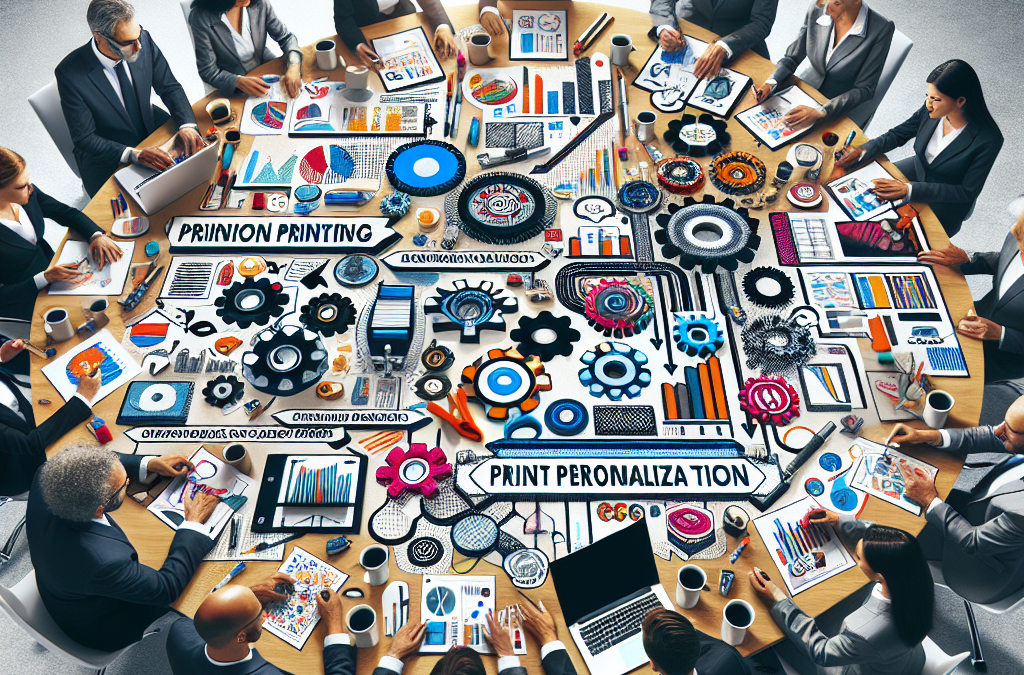
In a world where consumers are bombarded with countless advertisements on a daily basis, it has become increasingly challenging for businesses to grab their attention and stand out from the crowd. This is where print personalization comes into play. With the advent of variable data printing (VDP), marketers now have the ability to tailor their marketing materials to each individual consumer, creating a more personalized and engaging experience. In this article, we will explore the concept of print personalization and how it is revolutionizing the way businesses connect with their target audience. We will delve into the benefits of variable data printing, discuss real-life success stories, and provide practical tips for implementing print personalization strategies effectively. So, buckle up and get ready to discover the power of print personalization in today’s marketing landscape.
Key Takeaways
1. Variable data printing allows for personalized marketing campaigns: With variable data printing, marketers can tailor their messages to individual customers by incorporating personalized information such as names, addresses, and purchase histories. This level of personalization enhances customer engagement and increases the likelihood of conversion.
2. Improved targeting and segmentation: Variable data printing enables marketers to segment their target audience based on demographics, preferences, and behavior. By understanding their customers better, marketers can create more relevant and impactful marketing materials that resonate with specific segments, leading to higher response rates.
3. Increased response rates and ROI: Studies have shown that personalized print materials have significantly higher response rates compared to generic marketing materials. By leveraging variable data printing, businesses can improve their return on investment by delivering targeted messages that are more likely to capture the attention of their customers and drive action.
4. Enhanced customer experience: Personalized print materials make customers feel valued and appreciated, leading to a positive brand experience. By leveraging variable data printing, businesses can create a more personalized and memorable customer journey, fostering long-term loyalty and advocacy.
5. Integration with digital marketing efforts: Variable data printing can be seamlessly integrated with digital marketing channels, creating a cohesive and consistent customer experience across multiple touchpoints. By combining print and digital strategies, businesses can maximize their reach and engagement, driving stronger results for their marketing campaigns.
Emerging Trend: Print Personalization with Variable Data Printing
1. Targeted Messaging for Increased Engagement
Variable Data Printing (VDP) is revolutionizing the way businesses communicate with their customers through print media. With VDP, marketers can create personalized messages tailored to individual recipients, resulting in higher engagement and response rates. This emerging trend in print personalization allows businesses to deliver targeted messaging that resonates with their audience, leading to improved customer satisfaction and brand loyalty.
Traditionally, print marketing materials were static, providing the same message to every recipient. However, with VDP, businesses can now customize each piece of printed collateral with specific information, such as the recipient’s name, location, or purchase history. This level of personalization creates a more meaningful connection between the brand and the customer, increasing the chances of a positive response.
For example, a retail store can send out personalized catalogs to its customers, featuring products that align with their previous purchases or preferences. By tailoring the content to individual interests, the retailer can capture the attention of customers and drive them to make a purchase. Studies have shown that personalized direct mail campaigns using VDP can generate response rates up to 50% higher than traditional static mailings.
2. Integration with Digital Marketing Channels
Another significant trend in print personalization is the integration of VDP with digital marketing channels. As businesses strive to create cohesive omnichannel experiences, the ability to combine personalized print materials with online interactions becomes crucial.
By leveraging customer data collected from various digital touchpoints, businesses can create highly targeted and personalized print campaigns. For example, a company can use customer browsing behavior on their website to determine which products to feature in a personalized direct mail piece. This integration allows businesses to deliver consistent messaging across multiple channels, reinforcing their brand identity and increasing the chances of conversion.
Moreover, the integration of VDP with digital marketing channels enables businesses to track the effectiveness of their print campaigns more accurately. By using unique QR codes or personalized URLs (PURLs), marketers can measure the response rate and track customer behavior after receiving a personalized print piece. This data can then be used to refine future campaigns and optimize marketing strategies.
3. Enhanced Data Security and Privacy Measures
As print personalization becomes more prevalent, ensuring data security and privacy is of utmost importance. The collection and utilization of customer data for personalized print campaigns raise concerns about data breaches and privacy violations. However, the industry is responding to these concerns by implementing enhanced security measures.
Print service providers are investing in secure data management systems to protect customer information throughout the printing process. This includes encryption protocols, secure servers, and strict access controls. Additionally, compliance with data protection regulations, such as the General Data Protection Regulation (GDPR), is essential to maintain customer trust and avoid legal consequences.
Furthermore, businesses are adopting transparent privacy policies that clearly communicate how customer data is collected, stored, and used. Providing customers with control over their data and obtaining explicit consent for personalized print campaigns is crucial for maintaining trust and ensuring compliance with privacy regulations.
Future Implications
The emerging trend of print personalization with Variable Data Printing has significant implications for the future of marketing. As technology continues to advance, we can expect further innovations and advancements in this field.
One potential future implication is the integration of artificial intelligence (AI) and machine learning algorithms into print personalization. AI can analyze vast amounts of customer data and generate highly targeted and personalized print materials in real-time. By leveraging AI-powered algorithms, businesses can deliver even more relevant and engaging content to their customers, further enhancing the effectiveness of print marketing campaigns.
Additionally, advancements in digital printing technology will enable more sophisticated and visually appealing personalized print materials. High-resolution printing, vibrant colors, and unique finishes can create a tactile and immersive experience for recipients, increasing the impact of personalized print marketing.
Furthermore, the combination of VDP with emerging technologies like augmented reality (AR) and near-field communication (NFC) holds great potential. By integrating these technologies into personalized print materials, businesses can create interactive and engaging experiences for customers. For example, a personalized direct mail piece can include an AR component that allows recipients to virtually try on clothes or visualize furniture in their homes.
The emerging trend of print personalization with variable data printing is revolutionizing the way businesses communicate with their customers through print media. with targeted messaging, integration with digital channels, and enhanced data security measures, personalized print campaigns are becoming increasingly effective and relevant. looking ahead, advancements in technology and the integration of ai, ar, and nfc hold promising implications for the future of print personalization.
The Power of Personalization in Marketing
Personalization has become a crucial strategy in marketing, allowing businesses to connect with their customers on a deeper level. With the advent of variable data printing (VDP), marketers now have the ability to tailor their printed materials to each individual recipient. This section will explore the power of personalization in marketing and how VDP can enhance this strategy.
Understanding Variable Data Printing
Variable data printing is a technology that enables the customization of printed materials by incorporating unique data for each recipient. This section will delve into the mechanics of VDP, explaining how it works and the various elements that can be personalized. From names and addresses to images and offers, VDP allows marketers to create highly targeted and relevant communications.
Benefits of Variable Data Printing
The use of variable data printing offers numerous benefits for marketers. This section will discuss some of the key advantages of VDP, such as increased response rates, improved customer engagement, and enhanced brand perception. By tailoring their messages to individual recipients, businesses can create a more personalized and impactful marketing campaign.
Examples of Successful Variable Data Printing Campaigns
To illustrate the effectiveness of variable data printing, this section will showcase a few examples of successful campaigns. One notable example is the “Share a Coke” campaign by Coca-Cola, where the brand printed individual names on its bottles, creating a sense of personal connection with consumers. Another example is the personalized travel brochures sent by Airbnb, which featured customized recommendations based on the recipient’s travel preferences.
The Role of Data in Variable Data Printing
Data plays a crucial role in variable data printing, as it forms the foundation for personalization. This section will explore the types of data that can be used in VDP, including demographic information, purchase history, and customer preferences. By leveraging data effectively, marketers can create highly targeted and relevant communications that resonate with their audience.
Challenges and Considerations in Variable Data Printing
While variable data printing offers great potential, there are also challenges and considerations that marketers need to be aware of. This section will discuss some of these challenges, such as data accuracy and privacy concerns. It will also highlight the importance of data management and quality control to ensure the success of VDP campaigns.
Integrating Variable Data Printing with Digital Marketing
Variable data printing can be seamlessly integrated with digital marketing strategies to create a cohesive and personalized customer experience. This section will explore how VDP can complement digital channels, such as email marketing and social media advertising. By combining the power of print and digital, businesses can maximize the impact of their marketing campaigns.
Future Trends in Variable Data Printing
As technology continues to advance, the future of variable data printing looks promising. This section will discuss some of the emerging trends in VDP, such as the use of augmented reality and personalized packaging. It will also explore the potential of artificial intelligence and machine learning in further enhancing the personalization capabilities of VDP.
Case Study: Personalization in Direct Mail Campaigns
This section will present a case study of a company that successfully implemented variable data printing in their direct mail campaigns. It will provide an in-depth analysis of the campaign objectives, the personalized elements used, and the results achieved. By examining real-world examples, marketers can gain insights and inspiration for their own VDP initiatives.
In conclusion, variable data printing offers marketers a powerful tool for personalizing their marketing efforts. By tailoring printed materials to individual recipients, businesses can create more meaningful connections and drive higher engagement. As technology continues to evolve, the possibilities for personalization in print marketing are only set to expand further.
Variable Data Printing: The Basics
Variable Data Printing (VDP) is a digital printing technique that allows for the customization of printed materials on an individual level. It involves the use of software and digital printing technology to personalize each printed piece with unique text, images, or other elements. VDP has revolutionized the field of print marketing by enabling businesses to tailor their marketing messages to specific individuals or target audiences.
Data Management and Integration
The success of variable data printing relies heavily on effective data management and integration. To implement VDP, businesses must first gather and organize the necessary data. This data can include customer names, addresses, purchase history, demographic information, or any other relevant details. This data is then integrated into the VDP software, which allows for the seamless merging of the data with the print design templates.
Data Segmentation
One key aspect of data management in VDP is data segmentation. Data segmentation involves dividing the target audience into distinct groups based on specific criteria. For example, a retailer may segment their customer data based on geographic location, purchasing behavior, or age group. By segmenting the data, businesses can create more targeted and personalized marketing materials that are relevant to each group.
Data Mapping and Rules
Data mapping and rules play a crucial role in VDP. Data mapping involves linking the data fields from the database to the corresponding elements in the print design template. For example, the customer’s name field in the database would be mapped to the placeholder for the name in the print design. This ensures that the personalized information is accurately inserted into the correct areas of the printed piece.
Additionally, rules can be applied to the data to further customize the printing process. These rules can dictate specific conditions that determine which content or design elements are included in the final print. For example, a rule may specify that customers who have made a recent purchase should receive a discount coupon in their personalized mailer.
Design and Layout
The design and layout of variable data printing materials require careful consideration to ensure a cohesive and visually appealing result.
Template Design
A well-designed print template is essential for successful variable data printing. The template should include areas where personalized data can be inserted, such as text fields, image placeholders, or variable graphics. These areas should be clearly defined and positioned within the template to maintain the overall design integrity.
Dynamic Content
Variable data printing allows for the inclusion of dynamic content that can change based on the recipient’s data. This dynamic content can be text, images, or even entire sections of the print design. For example, a travel agency could dynamically insert images of destinations that the recipient has previously shown interest in, creating a highly personalized and engaging piece.
Printing and Production
Once the data management and design aspects are in place, the printing and production phase of variable data printing can begin.
Digital Printing Technology
Variable data printing is made possible by digital printing technology. Digital printers can seamlessly integrate with VDP software to print each piece with unique content. These printers use advanced color management systems to ensure accurate and consistent color reproduction, regardless of the personalized elements.
Print Quality Control
Ensuring print quality and consistency is crucial in variable data printing. Quality control measures, such as color calibration, proofing, and print inspection, are employed to maintain high standards throughout the production process. This includes checking for any errors or inconsistencies in the personalized data, ensuring that each piece meets the desired quality standards.
Finishing and Packaging
After printing, the personalized materials may undergo additional finishing processes such as cutting, folding, or binding, depending on the desired final product. The finished pieces are then carefully packaged and prepared for distribution to the intended recipients.
Benefits and Applications
Variable data printing offers numerous benefits and has a wide range of applications in marketing and communication.
Personalized Customer Experience
By tailoring marketing materials to individual customers, businesses can create a more personalized and engaging experience. This personalized approach enhances customer satisfaction, increases response rates, and improves overall brand perception.
Improved Targeting and ROI
Variable data printing allows for precise targeting based on customer segmentation. By delivering highly relevant and personalized messages, businesses can maximize their return on investment (ROI) by reaching the right audience with the right offer.
Increased Response Rates
Studies have consistently shown that personalized marketing materials result in higher response rates compared to generic mass mailings. Variable data printing enables businesses to create customized messages that resonate with recipients, leading to increased engagement and response.
Direct Mail Campaigns
Variable data printing is particularly effective in direct mail campaigns. By personalizing each piece, businesses can stand out in a crowded mailbox and capture the recipient’s attention. The combination of personalized content and visually appealing design makes variable data printing a powerful tool for direct mail marketing.
Event Marketing and Invitations
Variable data printing can also be used to create personalized event invitations. Whether it’s a corporate event, trade show, or wedding, VDP allows for the customization of invitations with the recipient’s name, relevant details, and even personalized RSVP codes.
Variable data printing is a powerful tool that enables businesses to tailor their marketing messages on an individual level. by effectively managing data, designing personalized templates, and utilizing digital printing technology, businesses can create highly targeted and engaging marketing materials that yield impressive results.
Case Study 1: Coca-Cola’s ‘Share a Coke’ Campaign
In 2011, Coca-Cola launched its highly successful ‘Share a Coke’ campaign, which aimed to personalize their packaging and engage consumers on a more individual level. The company replaced its iconic logo with popular names and phrases, allowing customers to find bottles with their own names or the names of loved ones.
This campaign utilized variable data printing (VDP) to create millions of unique labels with different names. By personalizing the packaging, Coca-Cola was able to create a sense of ownership and connection with their customers. The campaign sparked a social media frenzy, as people shared photos of their personalized bottles, further amplifying the reach of the campaign.
The ‘Share a Coke’ campaign resulted in a significant boost in sales and brand engagement for Coca-Cola. According to the company, more than 500,000 photos were shared on social media platforms using the hashtag #shareacoke, and the campaign generated a 7% increase in sales in the United States alone. The success of this campaign demonstrated the power of print personalization in creating a unique and memorable customer experience.
Case Study 2: Nike’s Personalized Running Shoes
Nike, a global leader in athletic footwear and apparel, leveraged variable data printing to create personalized running shoes for their customers. The ‘Nike By You’ campaign allowed customers to customize their shoes by selecting colors, patterns, and even adding their names or personal messages.
Using VDP technology, Nike was able to print individualized designs on each shoe, providing a level of personalization that resonated with their customers. This campaign not only allowed Nike to tap into the growing trend of customization but also created a sense of exclusivity and uniqueness for each customer.
The ‘Nike By You’ campaign was a huge success, with customers eagerly embracing the opportunity to design their own shoes. The personalized aspect of the campaign resulted in a surge in sales and customer loyalty. By offering a product that was tailored specifically to each customer’s preferences, Nike was able to create a deeper emotional connection with their audience.
Case Study 3: Amazon’s Personalized Recommendations
Amazon, the world’s largest online retailer, is known for its highly effective personalized recommendation system. By analyzing customer data, such as browsing history and purchase behavior, Amazon generates personalized product recommendations for each user.
Variable data printing plays a crucial role in Amazon’s recommendation system. When customers receive emails or physical mailers with personalized product suggestions, VDP technology is used to create unique content for each individual. These recommendations are based on the customer’s previous purchases, browsing history, and similar items purchased by other customers.
Amazon’s personalized recommendation system has proven to be a game-changer for the company. According to a study by McKinsey, personalized recommendations account for 35% of Amazon’s total revenue. By tailoring their marketing efforts using VDP, Amazon has been able to significantly increase customer engagement, conversion rates, and overall sales.
These case studies highlight the power of print personalization and variable data printing in tailoring marketing efforts to individual customers. whether it’s coca-cola’s personalized bottles, nike’s customized shoes, or amazon’s personalized recommendations, these success stories demonstrate the impact of personalized marketing in creating a unique and memorable customer experience. with advancements in technology, print personalization continues to evolve, allowing brands to connect with their customers on a deeper level and drive business growth.
The Beginnings of Variable Data Printing
Variable Data Printing (VDP) is a marketing technique that involves tailoring printed materials to individual recipients using personalized data. The concept of VDP can be traced back to the early days of printing, when handwritten letters were customized with individual names and addresses. However, it was not until the advent of digital printing technology that VDP became a practical and scalable solution for marketers.
The Digital Revolution and VDP
In the 1990s, the digital revolution transformed the printing industry. Digital printing presses allowed for faster, more cost-effective printing, and they also enabled the integration of variable data capabilities. This meant that marketers could now easily personalize printed materials with unique text, images, and even offers for each recipient.
The emergence of desktop publishing software further fueled the growth of VDP. Marketers could now design personalized templates and merge them with databases containing customer information. This breakthrough made it possible to create highly targeted and relevant marketing materials on a large scale.
Advancements in Data Management
As the use of VDP expanded, so did the need for efficient data management systems. Marketers required robust databases that could handle large volumes of customer data and seamlessly integrate with design software. This led to the development of specialized Customer Relationship Management (CRM) systems and database management tools.
These advancements in data management allowed marketers to segment their customer base and create highly personalized campaigns. By analyzing customer data, marketers could identify individual preferences, purchase history, and demographics to deliver tailored messages that resonated with recipients. This level of personalization significantly increased response rates and ROI for marketing campaigns.
Integration with Multi-Channel Marketing
As technology continued to evolve, so did the ways in which marketers could reach their target audience. With the rise of the internet, email marketing became a popular channel for delivering personalized messages. VDP seamlessly integrated with email marketing platforms, enabling marketers to send personalized emails with dynamic content based on recipient data.
Furthermore, advancements in mobile technology opened up new opportunities for VDP. Marketers could now leverage SMS marketing to send personalized text messages to customers, providing them with exclusive offers or important updates. The integration of VDP with multi-channel marketing strategies allowed for a consistent and personalized customer experience across various touchpoints.
The Rise of Automation and Artificial Intelligence
In recent years, automation and artificial intelligence (AI) have revolutionized the field of marketing. VDP has benefited from these advancements, as marketers can now leverage AI-powered algorithms to analyze customer data and generate highly personalized content in real-time.
Automated VDP platforms can dynamically generate personalized content, such as product recommendations, based on individual customer behavior and preferences. This level of personalization goes beyond simply inserting a recipient’s name into a template; it creates a truly unique and tailored experience for each customer.
The Current State of VDP
Today, VDP is a widely adopted marketing strategy used by businesses of all sizes. The combination of digital printing technology, advanced data management systems, and AI-powered automation has made VDP more accessible and cost-effective than ever before.
Marketers can now create personalized direct mail campaigns, email marketing campaigns, and even personalized packaging using VDP. The ability to deliver highly targeted and relevant content has proven to be a powerful tool for engaging customers and driving conversions.
The historical context of print personalization and vdp has evolved significantly over time. from the early days of handwritten customization to the digital revolution and the integration of data management systems, vdp has become a staple in modern marketing strategies. as technology continues to advance, we can expect vdp to become even more sophisticated, delivering increasingly personalized and impactful marketing materials.
FAQs
1. What is variable data printing?
Variable data printing is a digital printing technique that allows for the customization of each printed piece by incorporating unique data, such as names, addresses, images, or other personalized information. This enables businesses to create highly targeted and personalized marketing materials.
2. How does variable data printing work?
Variable data printing works by merging a database of personalized information with a print-ready design template. The software used for variable data printing matches the data fields in the database with the corresponding placeholders in the design template, creating a unique version of the print piece for each recipient.
3. What are the benefits of variable data printing?
Variable data printing offers several benefits, including:
- Increased response rates: Personalized marketing materials are more likely to grab the recipient’s attention and generate a response.
- Improved customer engagement: By tailoring the message to each recipient’s specific needs and preferences, variable data printing helps create a more meaningful connection with customers.
- Cost-effective: Variable data printing eliminates the need for separate print runs for different versions of a marketing piece, reducing printing and mailing costs.
- Enhanced brand perception: Personalized marketing materials convey a sense of care and attention to detail, which can positively impact a brand’s image.
4. What types of marketing materials can be personalized using variable data printing?
Variable data printing can be used to personalize a wide range of marketing materials, including direct mailers, postcards, brochures, catalogs, newsletters, event invitations, and more. Essentially, any print piece that can benefit from customization and personalization can be produced using variable data printing.
5. What data can be personalized in variable data printing?
Almost any type of data can be personalized in variable data printing. Common examples include names, addresses, salutations, images, product recommendations, purchase history, or any other information that is relevant to the recipient and can be stored in a database.
6. How can variable data printing help improve customer targeting?
Variable data printing allows businesses to segment their target audience and create personalized marketing materials that resonate with each segment. By tailoring the message, design, and offers to the specific needs and preferences of different customer groups, businesses can increase the effectiveness of their marketing campaigns and improve customer targeting.
7. Is variable data printing only suitable for large-scale marketing campaigns?
No, variable data printing can be used for both large-scale and small-scale marketing campaigns. While the initial setup may require some investment of time and resources, variable data printing can be cost-effective even for smaller print runs. It offers the flexibility to produce highly targeted and personalized marketing materials regardless of the campaign size.
8. Are there any limitations to variable data printing?
While variable data printing is a powerful tool for personalization, there are a few limitations to consider:
- Design constraints: The design template needs to be carefully crafted to accommodate variable data elements without compromising the overall visual appeal.
- Data accuracy: To ensure accurate personalization, the data used for variable data printing must be clean, up-to-date, and error-free.
- Printing and processing time: Depending on the complexity of the design and the volume of personalized pieces, variable data printing may require additional time for processing and production.
9. How can businesses get started with variable data printing?
To get started with variable data printing, businesses should follow these steps:
- Define the target audience and segment it based on relevant criteria.
- Gather and organize the necessary data for personalization.
- Create a print-ready design template that allows for variable data elements.
- Choose a variable data printing software or service provider that suits your needs.
- Test the personalized printing process and ensure data accuracy.
- Execute the variable data printing campaign and track its performance.
10. What are some examples of successful variable data printing campaigns?
There have been numerous successful variable data printing campaigns across various industries. For example, a clothing retailer used variable data printing to personalize direct mailers with product recommendations based on each customer’s purchase history, resulting in a significant increase in sales. A healthcare provider sent personalized appointment reminders to patients, reducing no-show rates and improving overall patient satisfaction. These are just a few examples of how variable data printing can be used to achieve impressive results.
Common Misconceptions about
Misconception 1: Print personalization is too expensive
Contrary to popular belief, print personalization through variable data printing (VDP) is not as expensive as it may seem. While it is true that traditional printing methods can be costly, advancements in technology have made VDP more affordable and accessible to businesses of all sizes.
Variable data printing allows marketers to customize each piece of printed material with unique content, such as names, addresses, and personalized messages. This level of personalization can significantly increase the effectiveness of marketing campaigns, leading to higher response rates and return on investment.
In terms of cost, VDP eliminates the need for separate print runs for different versions of a marketing piece. Instead, a single print run can incorporate all variations, saving both time and money. Additionally, targeted and personalized marketing has been shown to yield better results, making the investment in VDP worthwhile.
Misconception 2: Print personalization is time-consuming
Another misconception about print personalization is that it requires a significant amount of time and effort. While it is true that setting up variable data printing can be more complex than traditional printing, the time saved in other areas can outweigh the initial setup time.
With VDP, marketers can automate the personalization process, allowing for quick and efficient production of personalized marketing materials. Once the variable data templates are created, the printing process becomes streamlined, reducing the time required for manual data entry and proofreading.
Furthermore, the time saved in targeting the right audience and tailoring the message to individual recipients can result in higher response rates and a more efficient marketing campaign overall. The benefits of personalized marketing often outweigh the additional time spent on setup and preparation.
Misconception 3: Print personalization is not effective in the digital age
In today’s digital age, some may argue that print personalization is no longer effective, given the prevalence of digital marketing channels. However, studies have shown that personalized print materials can still have a significant impact on consumers.
One study conducted by the Direct Marketing Association found that personalized print marketing materials had a response rate of 4.4%, compared to a response rate of 0.12% for non-personalized materials. This demonstrates the power of print personalization in capturing the attention and engagement of recipients.
Additionally, print materials can provide a tangible and memorable experience for consumers. In a world inundated with digital advertisements, a personalized print piece can stand out and leave a lasting impression. Print also offers a level of credibility and trust that digital marketing channels may struggle to achieve.
Furthermore, print and digital marketing can work together synergistically. By incorporating personalized URLs (PURLs) or QR codes into print materials, marketers can seamlessly bridge the gap between print and digital, allowing recipients to engage with the brand online.
Print personalization through variable data printing is a cost-effective and efficient marketing strategy that can yield impressive results. the misconceptions surrounding its expense, time consumption, and effectiveness in the digital age are debunked by the factual evidence presented. by embracing print personalization, businesses can enhance their marketing efforts and create a more personalized and engaging experience for their target audience.
1. Understand your target audience
To effectively apply the knowledge of print personalization in your daily life, it is crucial to understand your target audience. Whether you are creating personalized invitations, greeting cards, or marketing materials, knowing who you are addressing will help you tailor your message and design to resonate with them.
2. Collect relevant data
Data is the foundation of print personalization. Start by collecting relevant information about your intended recipients, such as their names, preferences, and demographics. This data will enable you to create personalized content that speaks directly to each individual.
3. Segment your audience
Segmenting your audience allows you to categorize individuals based on shared characteristics. By grouping people with similar interests or needs, you can create more targeted and effective personalized materials. This could involve dividing your mailing list by age, location, or purchasing behavior, for example.
4. Use variable data printing software
Invest in variable data printing software to streamline the personalization process. This software enables you to merge your collected data with your design templates, allowing you to create unique versions of your materials with minimal effort. It can save you time and ensure accuracy in your personalized print projects.
5. Craft compelling content
Personalization is not just about adding someone’s name to a generic message. Take the time to craft compelling content that speaks directly to your audience’s needs and desires. Tailor your language, tone, and offers to make your personalized materials more engaging and effective.
6. Experiment with design elements
Don’t limit personalization to just text. Experiment with design elements that can be customized based on individual preferences. This could include images, colors, or even layout variations. By incorporating personalized design elements, you can create materials that truly stand out and resonate with your audience.
7. Test and measure your results
To gauge the effectiveness of your personalized print materials, conduct A/B testing. Create multiple versions of your materials with slight variations and track their performance. This will help you understand what resonates best with your audience and allow you to refine your approach over time.
8. Integrate print with digital
Print personalization doesn’t have to be limited to physical materials. Consider integrating print with digital channels, such as personalized URLs or QR codes. This allows you to create a seamless omnichannel experience for your audience, where they can easily transition from print to digital interactions.
9. Follow privacy regulations
When collecting and using personal data for print personalization, it is essential to adhere to privacy regulations. Ensure that you have the necessary consent from individuals and handle their data securely. Familiarize yourself with relevant laws, such as the General Data Protection Regulation (GDPR), to avoid any legal issues.
10. Continuously optimize and adapt
Print personalization is an ongoing process that requires continuous optimization and adaptation. Monitor the performance of your personalized materials, gather feedback from your audience, and make necessary adjustments. Stay up to date with industry trends and technological advancements to ensure your print personalization efforts remain effective.
By following these practical tips, you can effectively apply the knowledge of print personalization in your daily life. Whether you are sending personalized invitations, creating marketing materials, or simply connecting with your audience, print personalization can help you make a lasting impact.
In conclusion, print personalization through variable data printing has revolutionized the marketing industry by allowing businesses to tailor their messages to individual customers. This technology has proven to be highly effective in increasing customer engagement and response rates. By leveraging customer data and using sophisticated printing techniques, companies can create highly personalized and targeted marketing materials that resonate with their audience.
Variable data printing offers a range of benefits, including improved customer relationships, increased brand loyalty, and higher ROI. The ability to customize each piece of printed material with unique content, images, and offers ensures that customers feel valued and understood. This level of personalization not only captures attention but also drives action, leading to higher conversion rates and sales.
Moreover, the advancements in variable data printing technology have made it more accessible and cost-effective for businesses of all sizes. With the ability to integrate data from various sources and automate the printing process, companies can now reach their target audience with personalized messages at scale.
As the marketing landscape continues to evolve, print personalization will remain a powerful tool for businesses to connect with customers on a deeper level. By embracing variable data printing, companies can create impactful marketing campaigns that cut through the noise and deliver relevant and personalized messages. In a world saturated with digital marketing, print personalization offers a unique opportunity to stand out and make a lasting impression.
« Back to: Commercial Copier Leasing Guide | Commercial Copier Leasing South Florida