
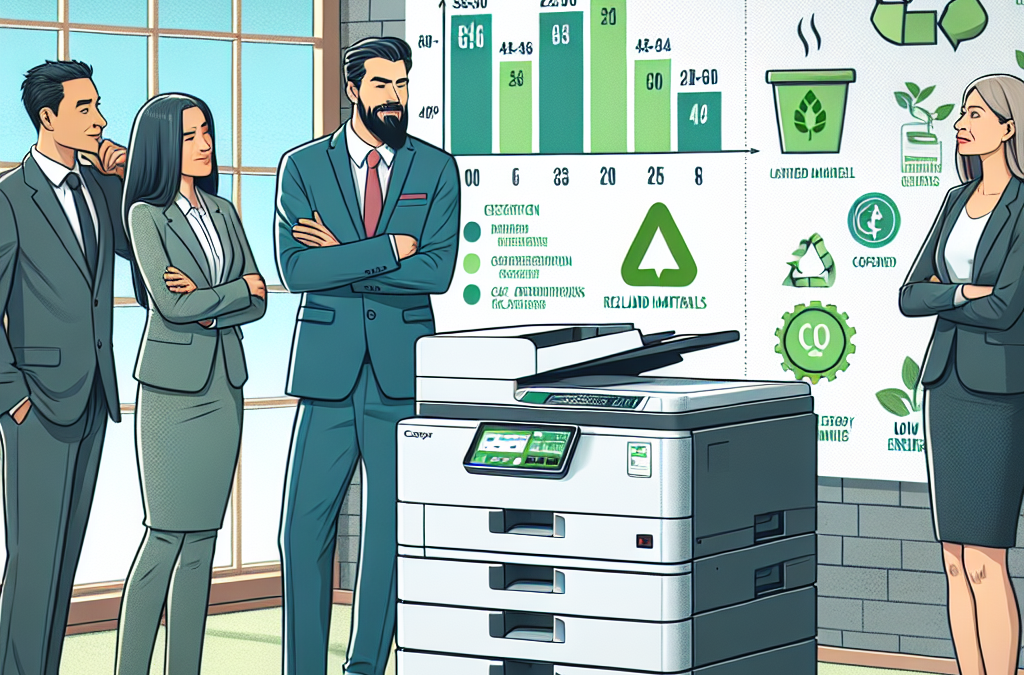
Making a Sustainable Choice: A Guide to Selecting an Environmentally Friendly Copier
In today’s world, where environmental concerns are at the forefront of our minds, making eco-friendly choices has become more important than ever. From reducing our carbon footprint to conserving resources, every decision we make can have a significant impact. And one area where we can make a difference is in our choice of office equipment. Copiers, a staple in most workplaces, can be a significant source of waste and energy consumption. In this article, we will explore the key factors to consider when choosing an environmentally friendly copier, including energy efficiency, paper usage, and recycling programs. By making informed decisions, we can not only reduce our environmental impact but also save costs in the long run.
When it comes to choosing an environmentally friendly copier, energy efficiency should be a top priority. Copiers can consume a significant amount of electricity, especially if they are running constantly or are not equipped with energy-saving features. Look for copiers that are ENERGY STAR certified, as they meet strict energy efficiency guidelines set by the Environmental Protection Agency (EPA). These copiers are designed to use less energy during operation and standby modes, reducing both electricity consumption and your utility bills. Additionally, consider copiers with sleep or power-saving modes that automatically power down when not in use for a certain period. This feature can further reduce energy usage during idle times, making a noticeable difference in your office’s overall energy consumption.
Key Takeaways:
1. Consider energy efficiency: Look for copiers with ENERGY STAR certification and features like sleep mode and automatic shut-off to reduce energy consumption and lower your carbon footprint.
2. Opt for duplex printing: Duplex printing, or printing on both sides of the paper, can significantly reduce paper waste and save trees. Choose a copier that offers this feature to promote sustainability.
3. Evaluate eco-friendly materials: Check if the copier is made from recycled or sustainable materials. Look for certifications like Forest Stewardship Council (FSC) or recycled content labels to ensure your choice supports responsible sourcing.
4. Look for toner recycling programs: Toner cartridges contribute to electronic waste, so opt for copiers that offer recycling programs. These programs help reduce landfill waste and promote the reuse of valuable resources.
5. Consider the lifecycle impact: Assess the copier’s overall lifecycle impact, including its manufacturing process, transportation, and disposal. Choosing a copier from a manufacturer with a commitment to sustainability can make a significant difference in reducing environmental harm.
By considering these key factors, you can make an informed decision when choosing an environmentally friendly copier. Not only will you contribute to a greener future, but you may also save on energy costs and reduce waste in the long run.
The Use of Recycled Paper
One controversial aspect of choosing an environmentally friendly copier is the use of recycled paper. On one hand, using recycled paper can help reduce deforestation and save energy and water during the production process. It also helps divert waste from landfills and reduces greenhouse gas emissions associated with paper manufacturing. However, there are a few considerations to keep in mind.
Firstly, the quality of recycled paper may not always meet the standards required for professional documents. Recycled paper can sometimes be more prone to jams, smudging, and fading, which can affect the overall print quality. This can be a concern for businesses that require high-quality prints for their clients or important documents.
Secondly, the availability and cost of recycled paper can be an issue. While the demand for recycled paper has been increasing, it still represents a small portion of the overall paper market. This limited availability can lead to higher prices, making it less economically viable for some businesses to exclusively use recycled paper.
Lastly, some critics argue that the recycling process itself may have negative environmental impacts. The process of deinking and bleaching recycled paper can release harmful chemicals into the air and water, contributing to pollution. Additionally, the transportation of recycled paper from collection centers to manufacturing facilities can also result in carbon emissions.
It is important to strike a balance between the environmental benefits of using recycled paper and the practical considerations of quality and cost. Businesses should consider their specific needs and requirements before making a decision on whether to prioritize recycled paper or opt for alternative sustainable paper options.
Energy Efficiency
Another controversial aspect of choosing an environmentally friendly copier is its energy efficiency. Energy-efficient copiers consume less electricity during operation, reducing both costs and environmental impact. However, there are some factors to consider.
Firstly, energy-efficient copiers often come with a higher upfront cost. These machines are designed with advanced technologies and components that help reduce energy consumption. While they may result in long-term cost savings through reduced electricity bills, the initial investment can be a barrier for some businesses, especially small enterprises with limited budgets.
Secondly, energy-efficient copiers may have certain trade-offs in terms of performance and speed. To minimize energy consumption, these machines may operate at slightly slower speeds or have fewer features compared to their less energy-efficient counterparts. This can be a concern for businesses that rely on high-volume printing or require specific functionalities that may not be available in energy-efficient models.
Lastly, it is important to consider the overall lifecycle impact of the copier. While an energy-efficient copier may consume less electricity during operation, its production, transportation, and disposal processes may still have significant environmental consequences. It is crucial to choose a copier from a manufacturer that follows sustainable practices throughout the entire lifecycle, including responsible sourcing of materials and proper recycling or disposal options.
Businesses should carefully evaluate their printing needs, budget constraints, and long-term sustainability goals when considering the energy efficiency of copiers. It is essential to find a balance between energy savings and performance to ensure both environmental and operational efficiency.
Supply Chain and E-Waste Management
The supply chain and e-waste management practices of copier manufacturers are also controversial aspects to consider when choosing an environmentally friendly copier. While many companies claim to prioritize sustainability, there are still concerns regarding the environmental impact of their operations.
Firstly, the extraction and processing of raw materials used in copier manufacturing can have significant environmental consequences. Mining for metals and minerals, such as rare earth elements, can lead to habitat destruction, water pollution, and the release of greenhouse gases. It is important to choose a copier manufacturer that sources materials responsibly and promotes ethical mining practices.
Secondly, the disposal of copiers at the end of their lifecycle can contribute to electronic waste (e-waste) if not managed properly. E-waste contains hazardous substances that can harm the environment and human health if not disposed of correctly. Businesses should consider copier manufacturers that offer take-back programs or recycling initiatives to ensure responsible e-waste management.
Furthermore, the overall sustainability practices of copier manufacturers should be evaluated. This includes factors such as carbon emissions reduction targets, use of renewable energy in manufacturing facilities, and commitment to social and environmental responsibility. Transparent reporting and third-party certifications can provide assurance that a manufacturer is genuinely committed to sustainability.
When choosing an environmentally friendly copier, it is important to consider the controversial aspects of using recycled paper, energy efficiency, and supply chain and e-waste management. striking a balance between environmental benefits and practical considerations is crucial. businesses should carefully evaluate their specific needs, budget constraints, and long-term sustainability goals to make an informed decision. by considering these aspects, businesses can contribute to a greener future while meeting their printing needs.
Insight 1: The Environmental Impact of Copiers in the Industry
The copier industry has a significant environmental impact due to the large number of copiers in use worldwide. Copiers consume energy, contribute to deforestation, and generate electronic waste. It is crucial for businesses and individuals to choose environmentally friendly copiers to mitigate these negative effects.
Energy Efficiency
One of the primary environmental concerns with copiers is their energy consumption. Traditional copiers can be energy-intensive, leading to increased greenhouse gas emissions and higher electricity bills. However, there are now copiers available in the market that prioritize energy efficiency. These copiers often come with features like automatic sleep mode, which reduces power consumption when the device is not in use. Additionally, some models use LED technology instead of traditional heating elements, further reducing energy consumption.
Reducing Deforestation
Copier paper is another significant contributor to environmental degradation. The production of paper involves deforestation, water consumption, and chemical usage. To address this issue, businesses and individuals should consider copiers that support duplex printing, which allows for printing on both sides of the paper. This feature can significantly reduce paper consumption and, consequently, the demand for deforestation. Additionally, choosing copiers that are compatible with recycled paper can further minimize the environmental impact.
Electronic Waste Management
The copier industry also generates a substantial amount of electronic waste. Copiers, like all electronic devices, have a limited lifespan and eventually become obsolete or malfunction. When disposed of improperly, copiers release hazardous materials into the environment. To combat this issue, it is essential to choose copiers from manufacturers that prioritize recycling and responsible disposal. Some manufacturers offer take-back programs, where they collect and recycle old copiers, ensuring proper handling of electronic waste and reducing the burden on landfills.
Insight 2: Evaluating the Lifecycle Analysis of Copiers
When choosing an environmentally friendly copier, it is crucial to consider its entire lifecycle, from production to disposal. A comprehensive lifecycle analysis allows businesses and individuals to assess the copier’s environmental impact at each stage and make informed decisions.
Manufacturing Process
The manufacturing process of copiers involves the extraction of raw materials, energy consumption, and the release of greenhouse gases. Opting for copiers manufactured by companies that prioritize sustainable practices can significantly reduce the environmental impact. Look for manufacturers that use recycled materials, minimize waste generation, and adhere to environmental standards.
Transportation and Packaging
Transportation and packaging also play a role in the environmental footprint of copiers. Choosing copiers from local suppliers can reduce carbon emissions associated with long-distance transportation. Additionally, selecting copiers that come with minimal packaging or packaging made from recycled materials can help minimize waste generation.
Disposal and Recycling
The end-of-life stage of copiers is crucial in determining their overall environmental impact. Copiers contain hazardous materials such as lead and mercury, which can harm the environment if not properly disposed of. Opting for copiers from manufacturers that offer recycling programs ensures that these devices are handled responsibly. Some manufacturers even provide certificates of proper disposal, giving businesses and individuals peace of mind.
Insight 3: Certifications and Eco-Labels for Environmentally Friendly Copiers
Various certifications and eco-labels exist to help businesses and individuals identify environmentally friendly copiers. These certifications indicate that the copiers meet specific environmental standards and have undergone rigorous testing.
ENERGY STAR Certification
The ENERGY STAR certification is one of the most widely recognized eco-labels for energy-efficient products. Copiers with this certification meet strict energy efficiency criteria set by the Environmental Protection Agency (EPA). ENERGY STAR certified copiers consume less energy, produce fewer greenhouse gas emissions, and save money on electricity bills. Choosing copiers with this certification ensures that energy efficiency is prioritized.
Blue Angel Certification
The Blue Angel certification is a German eco-label that focuses on the entire lifecycle of copiers. Copiers with this certification meet strict criteria for energy consumption, emissions, and recyclability. The Blue Angel certification also considers factors such as noise levels and the use of environmentally friendly materials. Choosing copiers with the Blue Angel certification guarantees a reduced environmental impact throughout the copier’s lifecycle.
Forest Stewardship Council (FSC) Certification
The Forest Stewardship Council (FSC) certification is relevant when considering the paper used in copiers. This certification ensures that the paper comes from responsibly managed forests that promote biodiversity and protect the rights of local communities. Choosing copiers that support FSC-certified paper helps combat deforestation and promotes sustainable paper production.
Choosing an environmentally friendly copier is crucial to minimize the industry’s impact on the environment. prioritizing energy efficiency, reducing deforestation, managing electronic waste, evaluating the copier’s lifecycle, and considering certifications and eco-labels are all essential steps in making an informed decision. by selecting copiers that align with sustainable practices, businesses and individuals can contribute to a greener future.
Understanding the Environmental Impact of Copiers
Copiers are essential office equipment that have become a staple in most workplaces. However, it is important to recognize that copiers can have a significant environmental impact. From energy consumption to paper waste and hazardous materials, copiers can contribute to pollution and resource depletion. In this section, we will delve into the various environmental aspects of copiers and why it is crucial to choose an environmentally friendly option.
Energy Efficiency: A Key Factor
One of the primary environmental concerns with copiers is their energy consumption. Traditional copiers can be energy-intensive, leading to increased carbon emissions and higher electricity bills. However, newer models are designed with energy efficiency in mind. In this section, we will explore the importance of energy-efficient copiers, how to identify them, and the potential cost savings associated with their use.
Reducing Paper Waste: Duplexing and Beyond
Copiers are notorious for their paper waste generation. However, there are several features and practices that can help minimize paper usage. Duplexing, or double-sided printing, is a common feature that can significantly reduce paper waste. Additionally, advanced copiers may offer features like automatic document scanning and digital storage, further reducing the need for physical copies. We will discuss these options and their benefits in this section.
Recycled Content and Sustainable Materials
Another crucial consideration when choosing an environmentally friendly copier is the use of recycled content and sustainable materials. Copiers that incorporate recycled plastics and metals help reduce the demand for virgin resources and minimize waste. Additionally, certifications like EPEAT and ENERGY STAR can guide consumers towards copiers that meet specific environmental standards. We will delve into these certifications and the importance of sustainable materials in this section.
Minimizing Hazardous Materials and Emissions
Copiers often contain hazardous materials, such as lead, mercury, and ozone-depleting substances. These materials can be harmful to human health and the environment if not handled properly. Eco-friendly copiers are designed to minimize the use of such hazardous substances and reduce emissions. We will explore the importance of avoiding these materials and how to identify copiers that adhere to strict environmental regulations.
Extended Lifespan and Serviceability
The lifespan of a copier plays a significant role in its overall environmental impact. Choosing a copier with a longer lifespan not only reduces waste but also minimizes the need for frequent manufacturing and disposal. Additionally, copiers that are easily serviceable and upgradable can extend their useful life. In this section, we will discuss the importance of longevity and serviceability when selecting an environmentally friendly copier.
Supplier Responsibility and End-of-Life Disposal
The responsibility of copier manufacturers goes beyond the design and production stage. It is essential to consider the environmental practices of the supplier, including their commitment to recycling programs and proper end-of-life disposal. Some manufacturers offer take-back programs, ensuring that copiers are recycled or disposed of responsibly. We will explore the significance of supplier responsibility and the options available for proper copier disposal in this section.
Cost Considerations: Balancing Sustainability and Budget
While choosing an environmentally friendly copier is crucial, it is also essential to consider the associated costs. Sustainable copiers may come at a higher initial price compared to conventional models. However, it is important to weigh the long-term environmental benefits and potential cost savings. In this section, we will discuss the cost considerations and strategies for finding a balance between sustainability and budget.
Case Studies: Organizations Leading the Way
To illustrate the practical implementation of environmentally friendly copiers, we will examine case studies of organizations that have successfully integrated sustainable printing practices. These case studies will provide real-world examples of the benefits and challenges faced when choosing and implementing eco-friendly copiers.
In this final section, we will summarize the key points discussed throughout the article and emphasize the importance of choosing an environmentally friendly copier. By considering factors such as energy efficiency, paper waste reduction, sustainable materials, and supplier responsibility, individuals and organizations can make informed decisions that align with their environmental values.
Energy Efficiency
One of the most important aspects to consider when choosing an environmentally friendly copier is its energy efficiency. Copiers can consume a significant amount of electricity, so selecting a model that is energy-efficient can greatly reduce its environmental impact.
Look for copiers that have earned Energy Star certification. This certification indicates that the copier meets strict energy efficiency guidelines set by the Environmental Protection Agency (EPA). Energy Star copiers are designed to enter a low-power sleep mode when not in use, reducing energy consumption.
Additionally, consider the power-saving features of the copier. Look for models that have automatic duplexing, which allows for double-sided printing without manual intervention. This feature can significantly reduce paper usage and energy consumption.
Recycled Materials and Design
The materials used in the manufacturing of copiers can have a significant impact on their environmental footprint. Look for copiers that are made with recycled materials. These materials can include recycled plastics, metals, and other components.
Furthermore, consider the overall design of the copier. Look for models that have been designed with disassembly and recycling in mind. Copiers that are easy to disassemble at the end of their life can have their components recycled or reused, reducing the amount of waste that ends up in landfills.
Chemical Emissions
Copiers can emit various chemicals during their operation, including volatile organic compounds (VOCs) and ozone. VOCs can contribute to air pollution and can have harmful effects on human health. Ozone, when present at ground level, can also be harmful.
When selecting an environmentally friendly copier, look for models that have low emissions of VOCs and ozone. Some copiers use toners and inks that are specifically designed to emit fewer VOCs. Additionally, consider copiers that have built-in filters to reduce the release of harmful chemicals into the air.
Paper Consumption
Paper usage is another significant environmental consideration when choosing a copier. Look for models that have features to reduce paper consumption, such as automatic duplexing mentioned earlier. This feature allows for double-sided printing, reducing the amount of paper needed.
Additionally, consider copiers that have the ability to print multiple pages on a single sheet of paper. This feature, known as N-up printing, can further reduce paper usage. Some advanced copiers even have software that analyzes documents and automatically optimizes them for efficient printing.
Life Cycle Assessment
When evaluating the environmental impact of a copier, it is essential to consider its entire life cycle. This includes the manufacturing, transportation, use, and disposal phases.
Look for copiers from manufacturers that have a commitment to sustainability and environmental responsibility. Some manufacturers have implemented initiatives to reduce their carbon footprint, use renewable energy in manufacturing plants, and promote responsible recycling and disposal of their products.
Consider the transportation distance as well. Choosing a copier that is manufactured closer to your location can reduce the carbon emissions associated with its transportation.
Finally, investigate the manufacturer’s take-back program or recycling options. Some manufacturers offer programs to collect and recycle old copiers at the end of their life, ensuring that they are disposed of properly and minimizing their impact on the environment.
The Early Days of Copiers
In the early days of copiers, environmental concerns were not a primary focus. The focus was mainly on improving efficiency and productivity in the workplace. Copiers were seen as a revolutionary technology that could quickly reproduce documents, saving time and resources. However, as copier usage increased, so did the environmental impact.
The Emergence of Environmental Awareness
In the 1970s, there was a growing awareness of environmental issues, and copiers were not exempt from scrutiny. Concerns were raised about the energy consumption, waste generation, and the use of hazardous materials in copier manufacturing and operation. This led to the emergence of efforts to develop more environmentally friendly copiers.
Energy Efficiency and Power Consumption
One of the first areas of focus was energy efficiency and power consumption. Early copiers were notorious for their high energy consumption, resulting in increased electricity bills and carbon emissions. Manufacturers started developing copiers with energy-saving features such as automatic sleep modes and power management systems. These advancements significantly reduced the energy consumption of copiers, making them more environmentally friendly.
Reducing Paper Waste
Paper waste was another significant environmental concern associated with copiers. In the past, copiers were notorious for producing large amounts of paper waste, as users often made unnecessary copies or failed to utilize duplex printing. Manufacturers responded by introducing features like automatic duplex printing, which enabled double-sided printing and reduced paper consumption. Additionally, advancements in digital technology allowed for electronic document storage and sharing, further reducing the need for physical copies.
Minimizing Chemical Usage
Copier manufacturing involved the use of various chemicals, some of which were hazardous to both human health and the environment. As environmental awareness grew, manufacturers began exploring alternative materials and processes to minimize the use of harmful chemicals. For example, the development of toner cartridges that contained less toxic substances reduced the environmental impact of copier operation and disposal.
Recycling and End-of-Life Considerations
The issue of copier disposal also became a concern as the number of copiers in use increased. Many copiers ended up in landfills, contributing to electronic waste and posing environmental risks. To address this, manufacturers implemented recycling programs and established partnerships with recycling facilities to ensure proper disposal and recycling of copier components. These efforts aimed to reduce the environmental impact of copiers throughout their lifecycle.
The Rise of Sustainable Manufacturing
In recent years, the focus on environmental sustainability has expanded beyond the operation and disposal of copiers to include their entire lifecycle. Manufacturers have started adopting sustainable manufacturing practices, such as using recycled materials, reducing greenhouse gas emissions during production, and implementing energy-efficient manufacturing processes. These initiatives not only make copiers more environmentally friendly but also contribute to a more sustainable supply chain.
The Importance of Environmental Certifications
To guide consumers in choosing environmentally friendly copiers, various environmental certifications have emerged. These certifications assess copiers based on criteria such as energy efficiency, recycled content, and emissions reduction. Examples include ENERGY STAR certification and the Electronic Product Environmental Assessment Tool (EPEAT). These certifications provide consumers with a reliable way to identify copiers that meet specific environmental standards.
The Current State of Environmentally Friendly Copiers
Today, the market offers a wide range of environmentally friendly copiers. Manufacturers continue to innovate and improve the environmental performance of copiers, focusing on areas such as energy efficiency, waste reduction, and sustainable manufacturing. Consumers are increasingly aware of the environmental impact of their choices and are actively seeking out copiers that align with their sustainability goals.
The historical context of environmentally friendly copiers highlights a shift from a focus solely on productivity and efficiency to a more holistic approach that considers the environmental impact throughout a copier’s lifecycle. advancements in energy efficiency, paper waste reduction, chemical usage, recycling, and sustainable manufacturing have transformed copiers into more environmentally friendly devices. with the availability of environmental certifications, consumers now have the tools to make informed choices and contribute to a greener future.
FAQs for Choosing an Environmentally Friendly Copier
1. What are the key features to look for in an environmentally friendly copier?
When choosing an environmentally friendly copier, look for features such as energy efficiency, duplex printing, and the use of recycled materials. Energy-efficient copiers consume less electricity, while duplex printing reduces paper waste by printing on both sides. Additionally, copiers made from recycled materials help reduce the demand for new resources.
2. How do I determine the energy efficiency of a copier?
To determine the energy efficiency of a copier, look for the ENERGY STAR® label. ENERGY STAR certified copiers meet strict energy efficiency guidelines set by the U.S. Environmental Protection Agency (EPA) and typically consume 30% less energy than non-certified models. Additionally, check for additional energy-saving features like automatic sleep mode or power-off timers.
3. Can I reduce paper waste with an environmentally friendly copier?
Absolutely! Look for copiers that offer duplex printing as a standard feature. This allows the copier to automatically print on both sides of the paper, reducing paper waste by up to 50%. Some copiers also have options for printing multiple pages on a single sheet or printing in booklet format, further minimizing paper usage.
4. Are there any specific certifications to look for when choosing an environmentally friendly copier?
Yes, apart from ENERGY STAR certification, you can also look for other environmental certifications such as EPEAT (Electronic Product Environmental Assessment Tool) and Blue Angel. EPEAT evaluates the environmental performance of electronic products, including copiers, based on criteria such as energy efficiency, recyclability, and use of hazardous materials. Blue Angel is a German certification that focuses on low energy consumption and minimal emissions.
5. How can I ensure the copier is made from environmentally friendly materials?
Check if the copier manufacturer has a commitment to using recycled or sustainable materials in their products. Look for information on their website or product specifications that mention the use of recycled plastics or other eco-friendly materials. Some manufacturers may also provide detailed reports on their sustainability efforts and the percentage of recycled content in their copiers.
6. Are there any features that can help reduce toner or ink waste?
Absolutely! Look for copiers that offer toner or ink-saving features such as draft mode or toner/ink density control. These features allow you to adjust the amount of toner or ink used for printing, helping to reduce waste. Additionally, some copiers have built-in software that can estimate the amount of toner or ink needed for a print job, preventing overuse.
7. Can I recycle the toner or ink cartridges of an environmentally friendly copier?
Yes, most copier manufacturers have recycling programs for their toner or ink cartridges. Check with the manufacturer or visit their website to find information on how to recycle the cartridges properly. Some manufacturers even provide prepaid shipping labels or collection points for easy recycling.
8. How can I ensure the copier is not emitting harmful chemicals?
Look for copiers that have undergone emissions testing and comply with international standards such as the Restriction of Hazardous Substances (RoHS) directive. This directive restricts the use of certain hazardous substances in electrical and electronic equipment, including copiers. Additionally, some manufacturers may provide information on the emissions levels of their copiers, helping you make an informed decision.
9. Are there any additional features that can make a copier more environmentally friendly?
Yes, some copiers come with additional features that further enhance their eco-friendliness. Look for features like automatic document feeders (ADF) that allow for scanning or copying multiple pages at once, reducing the need for manual feeding. Also, consider copiers that offer cloud printing capabilities, as this can help reduce paper usage by allowing users to print directly from digital files.
10. What are the long-term benefits of choosing an environmentally friendly copier?
Choosing an environmentally friendly copier not only helps reduce your carbon footprint but can also lead to long-term cost savings. Energy-efficient copiers consume less electricity, resulting in lower utility bills. Duplex printing reduces paper consumption, leading to savings on paper costs. Additionally, some manufacturers offer recycling incentives or discounts on supplies for customers who participate in their recycling programs.
Common Misconceptions about
Misconception 1: A copier with a high price tag is always more environmentally friendly
One common misconception when it comes to choosing an environmentally friendly copier is that the price tag is a reliable indicator of its eco-friendliness. While it is true that some high-end copiers may come with advanced features that promote sustainability, the price alone does not guarantee its environmental performance.
In fact, the environmental impact of a copier is determined by various factors, including energy efficiency, resource consumption, and end-of-life disposal. These factors are not necessarily correlated with the price of the copier. Therefore, it is important to look beyond the price tag and consider other environmental credentials when selecting a copier.
Instead of solely relying on the price, consider looking for copiers that have earned recognized environmental certifications, such as ENERGY STAR or EPEAT. These certifications indicate that the copier has met specific criteria for energy efficiency, recyclability, and reduced environmental impact.
Misconception 2: Digital copiers are always more environmentally friendly than analog copiers
Another common misconception is that digital copiers are always more environmentally friendly than their analog counterparts. While it is true that digital copiers have certain advantages, such as reduced energy consumption during standby and faster warm-up times, the overall environmental impact depends on various factors.
Digital copiers do have some eco-friendly features, such as duplex printing (printing on both sides of the paper) and the ability to scan and send documents electronically, reducing paper waste. However, it is important to consider the entire life cycle of the copier, including the manufacturing process and the disposal of electronic components.
In some cases, analog copiers may have a lower environmental impact. For example, if a digital copier requires frequent replacement of parts or has a shorter lifespan, it may result in more electronic waste compared to a well-maintained analog copier. Additionally, the energy consumption of digital copiers can vary depending on their efficiency ratings.
Therefore, when choosing between a digital and analog copier, it is essential to consider factors such as energy efficiency, paper usage, and the copier’s overall environmental impact throughout its life cycle.
Misconception 3: Recycled paper is always the most sustainable choice for a copier
Many people believe that using recycled paper is always the most sustainable choice when it comes to copiers. While using recycled paper is indeed a positive step towards reducing environmental impact, it is not the only factor to consider when choosing an environmentally friendly copier.
The sustainability of paper usage involves multiple aspects, including the source of the paper, the manufacturing process, and the end-of-life disposal. Recycled paper can be a good option, as it reduces the demand for virgin fiber and decreases the energy and water consumption associated with paper production.
However, it is important to note that not all recycled paper is created equal. Look for copiers that are compatible with high-quality recycled paper with a high post-consumer content. This ensures that the paper has been made from previously used paper products, reducing the need for further resource extraction.
Additionally, consider the paper consumption of the copier itself. Look for features like automatic duplex printing and settings that allow for reduced paper usage. These features can significantly reduce paper waste and contribute to the overall sustainability of the copier.
Furthermore, consider the copier’s energy efficiency and other environmental features. A copier that uses less energy and has features like power-saving modes can help minimize its environmental impact, regardless of the type of paper used.
Choosing an environmentally friendly copier involves considering multiple factors beyond the price tag alone. Recognizing and debunking these common misconceptions can help individuals make more informed decisions when it comes to selecting a copier that aligns with their sustainability goals. By looking beyond the price, considering the entire life cycle of the copier, and evaluating the sustainability of paper usage, individuals can make choices that contribute to a greener and more sustainable future.
Concept 1: Energy Efficiency
Energy efficiency is an important factor to consider when choosing an environmentally friendly copier. It refers to how much energy the copier uses to perform its functions. A copier that is energy efficient consumes less electricity, which helps reduce greenhouse gas emissions and lowers your energy bills.
When looking for an energy-efficient copier, one thing to consider is the ENERGY STAR certification. ENERGY STAR is a program run by the U.S. Environmental Protection Agency (EPA) that identifies and promotes energy-efficient products. Copiers with the ENERGY STAR label meet strict energy efficiency guidelines set by the EPA.
Another indicator of energy efficiency is the copier’s power consumption in standby mode. Standby mode is when the copier is not actively printing or copying but still powered on. Copiers with low standby power consumption use less energy when not in use, which can add up to significant energy savings over time.
Concept 2: Paper Usage
The second concept to consider when choosing an environmentally friendly copier is paper usage. Copiers can have features that help reduce paper waste and promote sustainable printing practices.
One such feature is automatic duplexing, also known as double-sided printing. This feature allows the copier to print on both sides of the paper automatically. By using both sides of the paper, you can cut your paper consumption in half. This not only saves trees but also reduces the amount of paper waste that needs to be recycled or disposed of.
Another paper-saving feature to look for is the ability to print multiple pages on a single sheet. This feature, often referred to as N-up printing, allows you to print two or more pages on one side of a sheet. For example, you can print two pages side by side, reducing the number of sheets used. N-up printing is especially useful when printing drafts, internal documents, or reading materials that don’t require full-size pages.
Concept 3: Toner Cartridge Recycling
The third concept to consider is the recycling of toner cartridges. Toner cartridges are the containers that hold the ink powder used by the copier to print. Recycling toner cartridges helps reduce waste and conserves resources.
When choosing an environmentally friendly copier, look for manufacturers that offer a cartridge recycling program. These programs provide a way for you to return used toner cartridges to the manufacturer for proper recycling. Some manufacturers even provide prepaid shipping labels or collection boxes for easy return.
Recycling toner cartridges not only prevents them from ending up in landfills but also allows the materials in the cartridges to be reused. The plastic, metal, and other components of the cartridges can be recycled and used to make new cartridges or other products. By participating in a toner cartridge recycling program, you contribute to the circular economy and help conserve resources.
When choosing an environmentally friendly copier, consider its energy efficiency, paper usage features, and toner cartridge recycling options. an energy-efficient copier can help reduce electricity consumption and lower your energy bills. paper-saving features like automatic duplexing and n-up printing can help reduce paper waste. finally, participating in a toner cartridge recycling program ensures that used cartridges are properly recycled and materials are reused. by selecting a copier that incorporates these concepts, you can make a positive impact on the environment while meeting your printing needs.
1. Research and Compare Eco-friendly Copier Options
Before purchasing a copier, take the time to research and compare different eco-friendly options available in the market. Look for copiers that have energy-saving features, use recycled materials, and have eco-certifications like ENERGY STAR.
2. Opt for Digital Solutions
Consider using digital solutions whenever possible to reduce the need for printing. Utilize cloud storage, digital document management systems, and e-signature tools to minimize paper usage and save resources.
3. Choose Energy-efficient Models
When selecting a copier, opt for energy-efficient models that consume less power during operation. Look for copiers with power-saving modes, automatic shut-off features, and quick start-up times to minimize energy consumption.
4. Use Duplex Printing
Take advantage of the duplex printing feature on your copier. This allows you to print on both sides of the paper, reducing paper waste by up to 50%. Adjust your settings to default to duplex printing for all non-confidential documents.
5. Set Default Print Settings
Configure your copier’s default print settings to be environmentally friendly. Choose options such as double-sided printing, grayscale instead of color, and draft mode to reduce ink and toner usage. Encourage your colleagues to do the same.
6. Recycle and Reuse
Implement a recycling program for used ink and toner cartridges. Many manufacturers offer recycling programs, or you can find local recycling centers that accept them. Additionally, consider reusing paper for internal printing or as scrap paper before recycling.
7. Optimize Paper Usage
Be mindful of paper usage and encourage paperless practices whenever possible. Print only when necessary, and utilize digital alternatives for sharing and reviewing documents. Set up default settings on your copier to print multiple pages per sheet or reduce margins to fit more content on a page.
8. Purchase Recycled Paper
When you do need to print, choose recycled paper with a high percentage of post-consumer waste. Look for paper certified by organizations like the Forest Stewardship Council (FSC) or the Sustainable Forestry Initiative (SFI) to ensure responsible sourcing.
9. Maintain and Service Your Copier
Regularly maintain and service your copier to ensure optimal performance and minimize waste. Clean the machine’s interior, replace worn-out parts, and follow the manufacturer’s recommended maintenance schedule. A well-maintained copier will have a longer lifespan and operate more efficiently.
10. Educate and Raise Awareness
Share your knowledge and encourage others to adopt environmentally friendly practices when using copiers. Organize training sessions or workshops to educate colleagues on eco-friendly copier usage, paper-saving techniques, and the importance of recycling. By raising awareness, you can create a more sustainable workplace environment.
These practical tips can help individuals and businesses make conscious choices when it comes to copier usage. By implementing these measures, we can reduce our environmental footprint and contribute to a greener future.
In conclusion, choosing an environmentally friendly copier is crucial in reducing our carbon footprint and promoting sustainability in our workplaces. By considering the key factors discussed in this article, such as energy efficiency, eco-label certifications, and paper usage, individuals and businesses can make informed decisions that align with their environmental goals.
Firstly, opting for a copier with energy-saving features can significantly reduce energy consumption and lower greenhouse gas emissions. Look for copiers with Energy Star certification, which ensures they meet strict energy efficiency guidelines. Additionally, selecting a copier with duplex printing capabilities can minimize paper usage and waste, further contributing to environmental conservation.
Secondly, eco-label certifications, such as EPEAT and Blue Angel, provide valuable information about a copier’s environmental performance. These certifications assess factors like material composition, recyclability, and chemical usage, enabling consumers to choose copiers that have minimal environmental impact throughout their lifecycle.
Lastly, adopting paper-saving practices, such as utilizing digital workflows and implementing print management software, can help reduce paper consumption. Choosing copiers with automatic double-sided printing and scanning capabilities can also contribute to paper conservation efforts.
By considering these key factors and making environmentally conscious choices, individuals and businesses can contribute to a greener future while enjoying the benefits of efficient and sustainable printing solutions.
« Back to: Green & Sustainable Printing Guide | Commercial Copier Leasing South Florida