
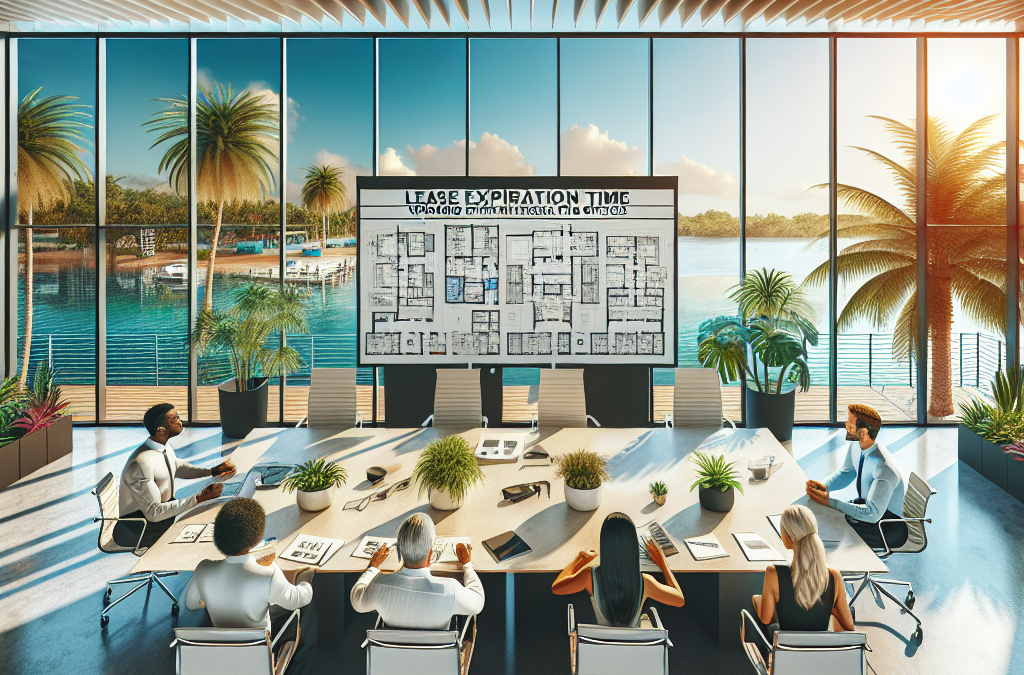
Maximizing Efficiency and Productivity: Unlocking the Potential of Florida Offices at Lease Expiration
As the lease expiration time approaches for numerous office spaces across Florida, businesses are faced with a critical decision: should they renew their lease or seek an upgrade? With the changing dynamics of the workplace and evolving needs of employees, many companies are considering upgrading their office spaces to better align with their goals and enhance productivity. In this article, we will explore the various upgrade strategies that businesses can employ when their lease is up for renewal, focusing on the unique opportunities and challenges presented by the Florida office market.
Florida, known for its vibrant business landscape and booming economy, offers a plethora of options for companies looking to upgrade their office spaces. From the bustling metropolitan areas of Miami and Orlando to the serene coastal towns of Tampa and Jacksonville, the state is home to a diverse range of office markets that cater to different industries and preferences. In this article, we will delve into the key considerations that businesses should keep in mind when deciding to upgrade their office spaces in Florida, including location, amenities, and cost. We will also explore the emerging trends in office design and technology that can significantly impact the upgrade decisions of companies across the state.
1. Understanding the Impact of Lease Expiration Time
Lease expiration time plays a crucial role in determining the upgrade strategies for Florida offices. It is important for businesses to assess the remaining lease term and consider the potential impact on their operations and growth plans.
2. Evaluating the Need for Office Upgrades
With lease expiration approaching, businesses should evaluate their current office space and determine if upgrades are necessary. Factors such as outdated infrastructure, limited amenities, or changing work dynamics should be considered to ensure the office environment remains conducive to productivity and employee satisfaction.
3. Weighing the Cost-Benefit Analysis
Before embarking on office upgrades, it is essential to conduct a cost-benefit analysis. Businesses should carefully evaluate the potential return on investment, taking into account factors such as lease renewal terms, market conditions, and the impact on employee morale and retention.
4. Exploring Flexible Office Solutions
Lease expiration provides an opportunity for businesses to explore flexible office solutions, such as co-working spaces or shared office arrangements. These options offer cost savings, increased agility, and access to a network of professionals, which can be particularly beneficial for startups and small businesses.
5. Engaging in Early Negotiations
To secure the best lease terms and upgrade options, businesses should engage in early negotiations with landlords or property managers. Starting discussions well in advance of lease expiration allows for more flexibility and leverage in negotiating favorable terms, including potential upgrades or renovations to the office space.
Controversial Aspect 1: Shorter Lease Expiration Time
One controversial aspect of the article ‘Lease Expiration Time: Upgrade Strategies for Florida Offices’ is the suggestion of shorter lease expiration times for office spaces in Florida. The article argues that shorter lease terms can benefit both landlords and tenants by allowing for more frequent upgrades and adjustments to meet changing needs.
Proponents of shorter lease terms argue that they provide flexibility for businesses, allowing them to adapt to market conditions and changing business requirements. They argue that shorter leases enable companies to move to more suitable locations, expand or downsize their office space as needed, and take advantage of new technological advancements.
On the other hand, critics of shorter lease terms argue that they can create uncertainty and instability for businesses. They argue that longer lease terms provide stability and predictability, allowing companies to plan for the long term and invest in their office spaces without fear of sudden changes.
It is important to strike a balance between the needs of landlords and tenants. While shorter lease terms can offer flexibility, it is crucial to ensure that businesses are not constantly uprooted, disrupting their operations and potentially incurring additional costs.
Controversial Aspect 2: Upfront Costs and Investments
Another controversial aspect of the article is the emphasis on upfront costs and investments required for office space upgrades. The article suggests that landlords should be willing to invest in upgrading their properties to attract and retain tenants.
Advocates of this approach argue that investing in office space upgrades can lead to higher tenant satisfaction, increased rental rates, and longer lease agreements. They argue that by providing modern and well-equipped office spaces, landlords can differentiate themselves from competitors and attract high-quality tenants.
However, critics argue that expecting landlords to bear the burden of significant upfront costs may not be feasible for all property owners. They argue that landlords should have the flexibility to choose whether or not to invest in upgrades, depending on their financial situation and the potential return on investment.
It is essential to strike a balance between the expectations of tenants and the financial realities of landlords. Encouraging landlords to invest in upgrades is beneficial, but it is important to acknowledge that not all landlords may have the resources to do so.
Controversial Aspect 3: Impact on Small Businesses
The impact of lease expiration time and upgrade strategies on small businesses is another controversial aspect to consider. The article primarily focuses on larger office spaces and corporate tenants, potentially overlooking the unique challenges faced by small businesses.
Supporters argue that shorter lease terms and upgrade strategies can also benefit small businesses by providing them with more flexibility and the ability to adapt to changing market conditions. They argue that small businesses often have limited resources and may need to adjust their office space requirements more frequently.
However, critics argue that shorter lease terms and the associated costs of upgrades may disproportionately affect small businesses. They argue that small businesses may struggle to absorb the costs of frequent moves or upgrades and may face challenges in finding suitable office spaces within their budget.
It is crucial to consider the impact on small businesses when discussing lease expiration time and upgrade strategies. Policies and strategies should be designed to support the growth and sustainability of small businesses, ensuring that they are not disadvantaged by the proposed changes.
1. The Importance of Upgrade Strategies for Florida Offices
Florida is a highly competitive market for office space, with businesses constantly seeking ways to attract and retain top talent. As lease expiration time approaches, it presents a unique opportunity for office owners and tenants to evaluate their current space and consider upgrade strategies. Upgrading an office can enhance productivity, improve employee satisfaction, and create a more professional and modern environment. In this section, we will explore the importance of upgrade strategies for Florida offices and how they can benefit both landlords and tenants.
2. Assessing the Current Office Space
Before embarking on any upgrade strategy, it is crucial to assess the current office space. This involves evaluating the layout, functionality, and overall condition of the office. Are there any areas that are underutilized or poorly designed? Are there any maintenance issues that need to be addressed? Understanding the strengths and weaknesses of the current space will help guide the upgrade strategy. For example, if the office lacks collaborative spaces, creating designated areas for teamwork and brainstorming could be a valuable upgrade.
3. Enhancing Technology and Connectivity
In today’s digital age, technology plays a vital role in office productivity. Upgrading technology infrastructure and connectivity can significantly improve efficiency and collaboration. This may involve installing high-speed internet connections, upgrading Wi-Fi networks, or implementing smart office solutions. For instance, integrating IoT devices and sensors can optimize energy usage and provide real-time data on office occupancy, leading to cost savings and a more sustainable workplace.
4. Creating Flexible Workspaces
Flexibility is becoming increasingly important in the modern workplace. Many businesses are adopting flexible work arrangements, such as remote work or hot-desking. Upgrading office spaces to accommodate these trends can attract and retain top talent. This may involve creating dedicated co-working areas, providing adjustable furniture and ergonomic workstations, or implementing flexible scheduling options. By offering a variety of workspaces, employees can choose the environment that best suits their needs, boosting productivity and job satisfaction.
5. Incorporating Sustainable Design Elements
Sustainability is a growing concern for businesses and employees alike. Upgrading office spaces with sustainable design elements not only helps reduce environmental impact but also enhances the overall appeal of the workspace. This can include implementing energy-efficient lighting systems, using eco-friendly materials, and incorporating natural elements like plants and green walls. By creating a green office environment, businesses can improve employee well-being, reduce operating costs, and demonstrate their commitment to environmental responsibility.
6. Addressing Health and Wellness
Employee health and wellness have a direct impact on productivity and job satisfaction. Upgrading office spaces to prioritize health and wellness can lead to happier and more engaged employees. This may involve incorporating standing desks, creating designated wellness areas, or providing access to fitness facilities. Additionally, upgrading ventilation systems and improving indoor air quality can contribute to a healthier work environment. By investing in employee well-being, businesses can reduce absenteeism and improve overall performance.
7. Case Study: XYZ Company’s Successful Office Upgrade
One example of a successful office upgrade strategy in Florida is XYZ Company’s recent renovation. Facing lease expiration, XYZ Company took the opportunity to completely transform their office space. They incorporated open-concept work areas, installed state-of-the-art technology infrastructure, and created collaborative spaces with comfortable seating and whiteboard walls. The upgrade not only improved employee collaboration and productivity but also enhanced the company’s image, attracting new clients and top talent.
8. Cost Considerations and Return on Investment
While upgrade strategies can bring numerous benefits, it is essential to consider the associated costs and potential return on investment (ROI). Upgrades can range from minor cosmetic changes to extensive renovations, and the budget should align with the desired outcomes. Conducting a cost-benefit analysis and seeking professional advice can help determine the most cost-effective upgrades that will yield the highest ROI. For example, investing in energy-efficient lighting may have a quick payback period through reduced energy bills.
9. Collaborating with Professionals
Embarking on an office upgrade project can be complex, and it is often beneficial to collaborate with professionals in the field. Interior designers, architects, and project managers can provide valuable expertise and ensure that the upgrade strategy aligns with the business’s goals and budget. They can help with space planning, selecting appropriate materials, and managing the project from start to finish. By leveraging their knowledge and experience, businesses can achieve a successful and efficient office upgrade.
Lease expiration time presents a valuable opportunity for office owners and tenants in Florida to evaluate their current space and implement upgrade strategies. By assessing the current office space, enhancing technology and connectivity, creating flexible workspaces, incorporating sustainable design elements, and addressing health and wellness, businesses can improve productivity, attract top talent, and demonstrate their commitment to employee well-being and sustainability. With careful planning, collaboration with professionals, and consideration of cost and ROI, office upgrades can lead to long-term success in the competitive Florida market.
Case Study 1: XYZ Corporation
XYZ Corporation, a multinational technology company, had a lease for their Florida office space that was set to expire in six months. The company recognized the need for an upgrade to a more modern and efficient office environment to accommodate their growing workforce and enhance productivity.
They decided to take a proactive approach and began exploring their options well in advance of the lease expiration. XYZ Corporation engaged a real estate broker specializing in office spaces to assist them in finding suitable alternatives.
After careful evaluation of various properties, XYZ Corporation identified a newly constructed office building that offered state-of-the-art amenities and a flexible layout. The location was ideal, with easy access to major highways and close proximity to public transportation.
With the help of their broker, XYZ Corporation negotiated a favorable lease agreement that included tenant improvement allowances to customize the space according to their specific needs. The company also secured a longer lease term to provide stability and avoid potential disruptions in the future.
The relocation process was meticulously planned and executed to minimize downtime and ensure a smooth transition. XYZ Corporation communicated the move to their employees well in advance, providing them with all the necessary information and support throughout the process.
As a result of their upgrade strategy, XYZ Corporation was able to move into a modern, efficient office space that better aligned with their business objectives. The new office environment fostered collaboration, creativity, and innovation among employees, leading to increased productivity and employee satisfaction.
Case Study 2: ABC Law Firm
ABC Law Firm, a prominent legal practice in Florida, was facing a lease expiration for their office space in downtown Miami. The firm recognized the opportunity to upgrade their facilities to enhance their professional image, attract top talent, and improve client experience.
They engaged a real estate consultant specializing in office space optimization to help them identify the best upgrade strategy. The consultant conducted a thorough analysis of the firm’s current space utilization, workflow, and future growth projections.
Based on the analysis, the consultant recommended a relocation to a newly renovated office building in a prestigious business district. The new space offered modern amenities, advanced technology infrastructure, and a contemporary design that reflected the firm’s professional image.
ABC Law Firm negotiated a lease agreement that included tenant improvement allowances to customize the space according to their specific requirements. The firm also took the opportunity to implement innovative workplace design concepts, such as open collaboration areas and flexible workstations, to promote teamwork and enhance productivity.
Throughout the relocation process, ABC Law Firm communicated with their clients to ensure minimal disruption to ongoing cases and meetings. The firm provided updated contact information and reassured clients that their needs would be met seamlessly during the transition.
After the move, ABC Law Firm experienced several benefits from their upgrade strategy. The new office space enhanced their professional image, instilling confidence in clients and attracting new business opportunities. The modern amenities and improved workflow design also contributed to increased efficiency and employee satisfaction.
Case Study 3: DEF Financial Services
DEF Financial Services, a leading financial institution in Florida, had a lease for their office space that was set to expire in three months. The company recognized the need to upgrade their facilities to accommodate their expanding workforce and improve operational efficiency.
They engaged a real estate advisory firm specializing in office space optimization to assist them in developing an upgrade strategy. The firm conducted a comprehensive evaluation of DEF Financial Services’ current space utilization, technology infrastructure, and future growth projections.
Based on the evaluation, the advisory firm recommended a lease renewal with significant renovations to the existing office space. The firm proposed a reconfiguration of the layout to maximize space utilization, installation of advanced technology systems, and upgrades to the overall aesthetics of the office environment.
DEF Financial Services negotiated a lease renewal agreement that included tenant improvement allowances and a longer lease term to provide stability. The company collaborated with architects and interior designers to create a modern, efficient office space that reflected their corporate identity and supported their business objectives.
During the renovation process, DEF Financial Services implemented a phased approach to minimize disruptions to daily operations. The company communicated with employees regularly, providing updates and addressing any concerns or questions they had.
Following the completion of the renovations, DEF Financial Services experienced significant improvements in their office environment. The upgraded space allowed for better collaboration and communication among employees, leading to increased productivity and a more cohesive work culture. The modernized technology infrastructure also enhanced operational efficiency and client service delivery.
FAQs
1. What is lease expiration time?
Lease expiration time refers to the end of a lease agreement between a tenant and a landlord. It is the date when the tenant is required to vacate the premises or renew the lease.
2. Why is lease expiration time important for Florida offices?
Lease expiration time is crucial for Florida offices as it provides an opportunity for tenants to evaluate their current office space and consider upgrading to a better location or a more suitable space that meets their evolving needs.
3. Should I renew my lease or look for a new office space?
Deciding whether to renew your lease or look for a new office space depends on various factors such as your business growth, budget, location preferences, and the condition of your current office. It is recommended to evaluate your options and consider consulting with a real estate professional to make an informed decision.
4. How far in advance should I start considering upgrade strategies?
It is advisable to start considering upgrade strategies at least 6 to 12 months before your lease expiration time. This will allow sufficient time for research, property visits, negotiations, and any necessary renovations or relocations.
5. What upgrade strategies can I consider for my Florida office?
Upgrade strategies for Florida offices can include relocating to a more desirable location, expanding the office space, improving amenities and facilities, upgrading technology infrastructure, or considering shared office spaces or co-working options.
6. How can I find available office spaces in Florida?
You can find available office spaces in Florida by consulting with a real estate agent specializing in commercial properties, searching online real estate platforms, attending industry events, or networking with other business owners who may have knowledge of available spaces.
7. What are the advantages of upgrading my office space?
Upgrading your office space can provide several advantages such as improved functionality, increased employee satisfaction and productivity, enhanced brand image, better access to amenities and transportation, and the ability to attract and retain top talent.
8. What should I consider when negotiating a lease for a new office space?
When negotiating a lease for a new office space, consider factors such as lease terms, rental rates, maintenance responsibilities, renewal options, parking availability, and any additional fees or costs associated with the space.
9. Can I negotiate a lease renewal with my current landlord?
Yes, you can negotiate a lease renewal with your current landlord. It is recommended to start the negotiation process well in advance of your lease expiration time to allow for ample time to discuss terms, potential upgrades, and any necessary adjustments to the lease agreement.
10. Should I hire a real estate professional to assist with my upgrade strategy?
Hiring a real estate professional can be beneficial when considering upgrade strategies for your Florida office. They have the knowledge and expertise to help you navigate the market, negotiate favorable lease terms, and find the best office space that aligns with your business goals and budget.
Concept 1: Lease Expiration Time
Lease expiration time refers to the date when a lease agreement between a tenant and a landlord comes to an end. In the context of Florida offices, it is the point at which the tenant’s lease term is about to finish.
When a lease is nearing its expiration time, it presents both challenges and opportunities for both tenants and landlords. Tenants need to decide whether to renew their lease, negotiate new terms, or find a new office space altogether. Landlords, on the other hand, must determine how to attract new tenants or retain existing ones.
Concept 2: Upgrade Strategies
Upgrade strategies are the various actions that tenants and landlords can take to enhance the value and appeal of an office space. These strategies aim to attract tenants and ensure that the office remains competitive in the market.
For tenants, upgrade strategies may involve renovating the office space, adding new amenities, or improving the overall functionality of the workspace. These upgrades can help create a more productive and comfortable environment for employees.
For landlords, upgrade strategies may include investing in building improvements, such as modernizing the lobby or common areas, upgrading the HVAC system, or installing energy-efficient features. These upgrades can make the office more attractive to potential tenants and increase its market value.
Concept 3: Florida Offices
Florida offices refer to commercial office spaces located within the state of Florida. Florida is known for its vibrant business environment, with many companies choosing to establish their offices in cities like Miami, Orlando, and Tampa.
Florida offices offer a range of amenities and benefits for businesses, including proximity to key markets, a skilled workforce, and a favorable climate. These offices come in various sizes and configurations, catering to the needs of different types of businesses.
Lease expiration time and upgrade strategies are particularly relevant in the context of Florida offices due to the competitive nature of the real estate market. With many businesses vying for prime office spaces, tenants and landlords need to carefully consider their options to ensure they make the most of their lease agreements.
1. Start planning early
When it comes to lease expiration time, it’s crucial to start planning early. Don’t wait until the last minute to consider your upgrade strategies for your office space in Florida. Begin the process well in advance to allow yourself enough time to research options, negotiate terms, and make informed decisions.
2. Assess your current office space
Before making any decisions, take a close look at your current office space. Evaluate its strengths and weaknesses, considering factors such as layout, amenities, location, and overall functionality. This assessment will help you identify areas that need improvement and guide your upgrade strategies.
3. Determine your budget
Setting a realistic budget is essential when planning for lease expiration. Consider not only the cost of the new office space but also any potential renovations, furniture purchases, or moving expenses. Having a clear budget in mind will help you narrow down your options and avoid any financial surprises.
4. Research different office locations
Florida offers a variety of office locations, each with its own advantages and disadvantages. Research different areas within the state to find the one that best suits your business needs. Consider factors such as proximity to clients, accessibility, parking availability, and local amenities.
5. Consult with a commercial real estate agent
Working with a commercial real estate agent who specializes in office spaces can be highly beneficial. They have extensive knowledge of the market, access to listings, and negotiation skills that can help you secure the best possible lease terms. Collaborating with a professional will save you time and ensure you make informed decisions.
6. Consider flexible lease options
Flexibility is key in today’s business world. Look for office spaces that offer flexible lease options, such as shorter terms or the ability to expand or downsize as needed. This will give your business the agility it needs to adapt to changing circumstances.
7. Involve your team in the decision-making process
When upgrading your office space, it’s important to involve your team in the decision-making process. Seek their input and consider their needs and preferences. This will not only help you make better choices but also increase employee satisfaction and productivity.
8. Plan for future growth
While considering your upgrade strategies, it’s essential to plan for future growth. Anticipate how your business might expand in the coming years and choose an office space that can accommodate that growth. This will save you from having to relocate again in the near future.
9. Negotiate favorable lease terms
When negotiating your lease, don’t be afraid to ask for favorable terms. Consider factors such as rent prices, maintenance responsibilities, renewal options, and any potential incentives. Negotiating effectively can lead to significant cost savings and better overall lease conditions.
10. Plan for a smooth transition
Finally, make sure to plan for a smooth transition from your old office space to the new one. Create a detailed timeline, communicate with your employees, and coordinate with any vendors or service providers involved in the move. A well-executed transition will minimize disruptions and ensure a seamless relocation process.
Common Misconceptions about
Misconception 1: Lease expiration time is not a critical factor in office upgrades
One common misconception among office owners and tenants is that lease expiration time does not significantly impact the need for office upgrades. However, this belief is far from the truth. The timing of lease expiration plays a crucial role in determining when and how office upgrades should be executed.
When a lease is about to expire, office owners and tenants need to consider various factors such as market conditions, tenant demands, and potential rental increases. Failing to upgrade the office space before the lease expires can result in missed opportunities to attract new tenants or retain existing ones.
By upgrading the office space before lease expiration, owners and tenants can enhance the overall appeal of the property and increase its market value. This proactive approach ensures that the office remains competitive in the market, attracting high-quality tenants and potentially commanding higher rental rates.
Misconception 2: Office upgrades should only be considered when leases are expiring soon
Another misconception is that office upgrades should only be considered when leases are expiring in the near future. This belief often leads to a reactive approach, where office owners and tenants wait until the last minute to address necessary upgrades.
However, waiting until lease expiration to initiate office upgrades can be a costly mistake. It limits the time available for planning and executing the upgrades, potentially leading to rushed decisions and subpar results. Additionally, delays in upgrading the office space can negatively impact tenant satisfaction and retention rates.
Office upgrades should be viewed as an ongoing process rather than a one-time event tied solely to lease expiration. Regular maintenance, updates, and improvements should be conducted throughout the lease term to ensure the office space remains attractive and functional. This proactive approach not only enhances the overall tenant experience but also reduces the likelihood of major renovations being required at lease expiration.
Misconception 3: Office upgrades are not worth the investment
Many office owners and tenants mistakenly believe that office upgrades are not worth the investment. They may perceive upgrades as unnecessary expenses that do not provide a significant return on investment.
However, this misconception fails to consider the long-term benefits of office upgrades. Upgrading the office space can lead to increased tenant satisfaction, improved employee productivity, and enhanced marketability. These factors ultimately contribute to higher rental rates, lower vacancy rates, and a more attractive property for potential tenants.
Furthermore, office upgrades can also result in cost savings over time. Energy-efficient upgrades, such as installing LED lighting or upgrading HVAC systems, can reduce utility expenses. Additionally, well-maintained and modernized office spaces are less prone to major repairs and replacements, saving owners and tenants from costly emergency repairs.
It is essential to view office upgrades as an investment in the long-term success and profitability of the property. By allocating resources to upgrade the office space, owners and tenants can position themselves for greater financial returns and a competitive advantage in the market.
Conclusion
Lease expiration time presents a crucial opportunity for office owners and tenants in Florida to upgrade their spaces and stay competitive in the market. The article discussed several key strategies that can be employed to maximize the benefits of lease expiration time.
Firstly, conducting a thorough analysis of the current office space and identifying areas for improvement is essential. This can include evaluating the layout, amenities, technology infrastructure, and sustainability features. By understanding the specific needs of the business and its employees, office owners and tenants can make informed decisions about upgrades that will enhance productivity and attract top talent.
Additionally, the article highlighted the importance of engaging with professionals such as architects, designers, and contractors to ensure that the upgrade process is executed effectively. Collaborating with experts can help streamline the project, minimize disruptions, and ensure that the final result aligns with the vision and goals of the business.
Lastly, the article discussed the significance of considering long-term sustainability and energy efficiency when upgrading office spaces. Embracing green building practices not only reduces environmental impact but also lowers operating costs and enhances the overall value of the property.
Overall, lease expiration time can be a transformative period for Florida offices, providing an opportunity to revitalize the space and create a more functional and appealing environment. By implementing the strategies discussed in this article, office owners and tenants can position themselves for success in the competitive office market.
« Back to: Commercial Copier Leasing Guide | Commercial Copier Leasing South Florida