
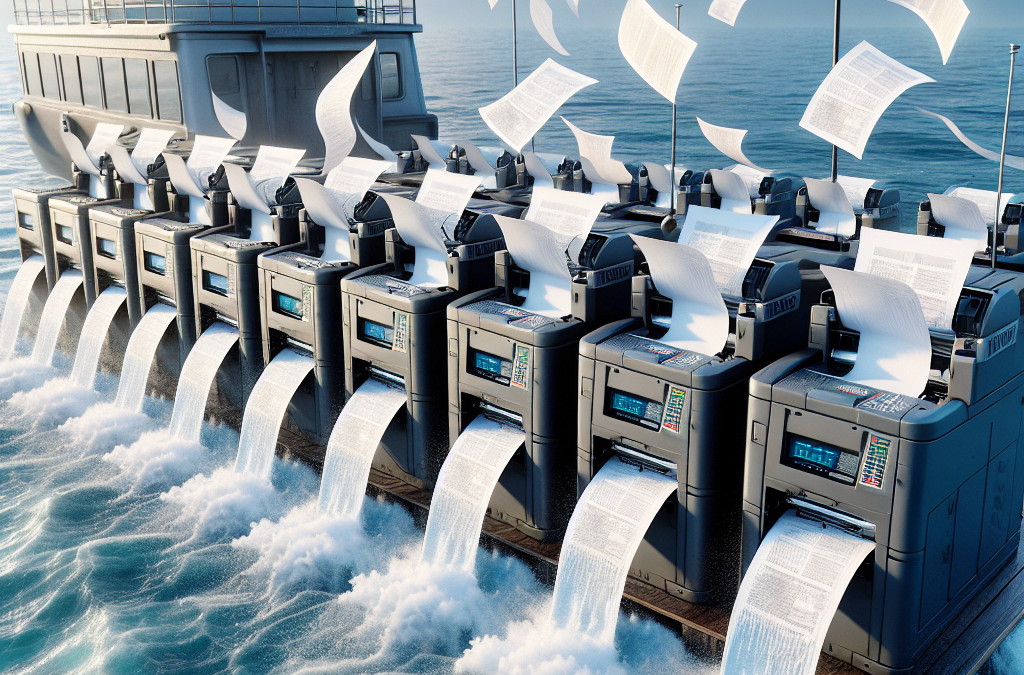
Revolutionizing Efficiency: Exploring the Game-Changing Advantages of Waterproof Printers in the Marine Industry
Marine industry paperwork can be a daunting task, especially when it comes to printing documents on boats and docks. The constant exposure to water, moisture, and harsh environments makes it challenging to maintain the integrity of printed materials. That’s where waterproof printers come in. In this article, we will explore the importance of waterproof printers in the marine industry and how they are revolutionizing the way paperwork is handled on boats and docks. We will delve into the features and benefits of these printers, discuss their durability and reliability, and highlight some of the top options available in the market. Whether you are a boat owner, dock manager, or marine professional, this article will provide valuable insights into how waterproof printers can streamline your paperwork and enhance efficiency in the marine industry.
Key Takeaways:
1. The marine industry relies heavily on paperwork for various tasks such as documentation, permits, and safety protocols. However, traditional printers are not suitable for use in the marine environment due to their lack of waterproof capabilities.
2. Waterproof printers are specifically designed to withstand the harsh conditions of boats and docks, ensuring that important documents remain intact and legible even in wet or humid environments.
3. These printers are not only waterproof but also resistant to UV rays, saltwater, and other corrosive elements commonly found in the marine industry. This durability extends the lifespan of the printer and reduces the need for frequent replacements.
4. By investing in a waterproof printer, marine industry professionals can streamline their operations and improve efficiency. They can print documents on-site, eliminating the need to rely on external printing services or dry land facilities.
5. The availability of wireless and mobile printing options further enhances the convenience of waterproof printers in the marine industry. Users can print directly from their smartphones or tablets, allowing for greater flexibility and accessibility while on the water or at the dock.
In conclusion, waterproof printers offer a practical solution to the challenges faced by the marine industry when it comes to paperwork. Their durability, convenience, and ability to withstand harsh conditions make them an essential tool for any boat or dock operation.
Emerging Trend: Waterproof Printers for Boats & Docks
Trend 1: Increasing Demand for Waterproof Printers
In the marine industry, paperwork has always been a crucial part of daily operations. From invoices and receipts to safety manuals and navigational charts, there is a constant need for printed documents on boats and docks. However, the marine environment presents unique challenges for traditional printers, as water, salt, and humidity can easily damage the sensitive electronic components.
To address this issue, a new emerging trend is the increasing demand for waterproof printers specifically designed for marine applications. These printers are built to withstand harsh marine conditions, providing a reliable and durable solution for printing needs on boats and docks.
One of the key drivers behind this trend is the growing emphasis on safety and compliance in the marine industry. Boats and docks are subject to various regulations and standards, requiring operators to have access to printed documents that are resistant to water damage. Waterproof printers ensure that critical safety information, such as emergency procedures and evacuation plans, remains legible and accessible even in wet conditions.
Moreover, the need for efficient and reliable documentation has become more pronounced in recent years. As the marine industry becomes increasingly digitalized, there is still a need for physical copies of important documents. Waterproof printers offer a convenient and practical solution, allowing operators to print necessary paperwork on-demand without worrying about potential damage from water exposure.
Trend 2: Technological Advancements
The emergence of waterproof printers in the marine industry is not only driven by demand but also by technological advancements. Manufacturers have been investing in research and development to create printers that can withstand the challenging marine environment while delivering high-quality prints.
One of the key technological advancements in this field is the development of durable and water-resistant inks. These inks are specially formulated to resist water, fading, and smudging, ensuring that printed documents remain legible and professional-looking even when exposed to moisture. Additionally, manufacturers have improved the overall design and construction of printers, using materials that are corrosion-resistant and capable of withstanding saltwater exposure.
Another notable advancement is the integration of wireless connectivity and mobile printing capabilities. With these features, boat and dock operators can easily connect their smartphones or tablets to the waterproof printer, allowing for quick and convenient printing of documents from anywhere on the vessel or dock. This wireless connectivity also enables seamless integration with digital systems, facilitating the transition towards a more digitalized marine industry.
Trend 3: Future Implications
The emergence of waterproof printers in the marine industry has significant future implications for both boat and dock operators and the overall efficiency of marine operations.
Firstly, the adoption of waterproof printers can greatly enhance safety and compliance in the marine industry. By ensuring that critical safety information remains intact and accessible in wet conditions, these printers contribute to the overall well-being of crew members and passengers. In emergency situations, having legible printed documents can make a crucial difference in executing proper procedures and evacuations.
Secondly, the use of waterproof printers can streamline administrative processes and improve operational efficiency. Operators can quickly print necessary paperwork on-demand, eliminating the need for storing and transporting pre-printed documents. This not only saves time but also reduces the risk of outdated or misplaced paperwork. Moreover, the integration of wireless connectivity and mobile printing capabilities enables real-time document updates and seamless communication between different stakeholders in the marine industry.
Lastly, the future implications of waterproof printers extend beyond the marine industry itself. The advancements made in creating durable and water-resistant printers can have applications in other industries that face similar challenges, such as outdoor construction sites, agriculture, and even extreme sports. The technology developed for the marine industry can pave the way for more resilient and reliable printers in various other sectors.
The emerging trend of waterproof printers for boats and docks in the marine industry is driven by the increasing demand for durable and reliable printing solutions in challenging environments. technological advancements have enabled the development of printers that can withstand water exposure while delivering high-quality prints. this trend has significant future implications for safety, compliance, and operational efficiency in the marine industry, as well as potential applications in other sectors facing similar challenges.
Key Insight 1: Streamlining Documentation Processes with Waterproof Printers
The marine industry is known for its extensive paperwork requirements, ranging from safety certificates and permits to maintenance logs and navigation charts. Traditionally, these documents were printed on regular paper and stored in waterproof folders or laminated for protection against water damage. However, the advent of waterproof printers has revolutionized the way paperwork is handled in the marine industry, offering a more efficient and reliable solution.
Waterproof printers are specifically designed to withstand the harsh marine environment, including exposure to saltwater, humidity, and extreme temperatures. These printers utilize advanced printing technologies, such as thermal or inkjet printing, combined with durable and waterproof materials, to produce high-quality prints that can withstand the elements. With the ability to print directly onto waterproof paper or synthetic materials, these printers eliminate the need for additional protective measures like lamination or waterproof folders.
The impact of waterproof printers on the marine industry is significant. Firstly, they streamline documentation processes by enabling boat owners, captains, and crew members to print necessary documents on-demand, eliminating the need for pre-printed forms or trips to onshore printing facilities. This saves time and increases operational efficiency, allowing for faster turnaround times and smoother administrative workflows.
Moreover, waterproof printers enhance the accuracy and reliability of printed documents. Regular paper documents are susceptible to water damage, which can render them illegible and unreliable. With waterproof printers, the risk of smudging, fading, or bleeding ink is significantly reduced, ensuring that important information remains intact and readable. This is crucial for critical documents such as safety certificates or navigation charts, where accuracy is paramount for the safety of the crew and the vessel.
In addition, the use of waterproof printers promotes environmental sustainability. Traditional paper documents often require frequent replacements due to water damage or wear and tear, resulting in significant paper waste. By printing on waterproof materials, the marine industry can reduce its paper consumption and contribute to a more sustainable approach to documentation. Furthermore, the durability of waterproof prints means that documents can be reused multiple times, reducing the need for excessive printing and minimizing waste.
Key Insight 2: Enhancing Safety and Compliance with Waterproof Printed Safety Documents
Safety is a top priority in the marine industry, and proper documentation plays a crucial role in ensuring compliance with safety regulations. Waterproof printers offer a valuable tool for enhancing safety measures by enabling the printing of safety documents that can withstand the marine environment.
Safety documents, such as emergency procedures, safety manuals, and evacuation plans, are essential for the well-being of crew members and passengers. In emergency situations, quick access to accurate and legible safety information can make a significant difference in preventing accidents or minimizing their impact. With waterproof printers, these safety documents can be printed on durable and waterproof materials, ensuring that they remain intact and accessible even in challenging conditions.
Furthermore, waterproof printers enable the printing of safety documents directly on waterproof labels or stickers. This allows for easy labeling of safety equipment, such as life jackets, fire extinguishers, or emergency exits, with clear and waterproof instructions. These labeled safety equipment can be easily identified and located during emergencies, facilitating a prompt and organized response.
Compliance with safety regulations is another critical aspect of the marine industry. Vessels are required to maintain up-to-date safety certificates, inspection reports, and maintenance logs to demonstrate compliance with regulatory standards. Waterproof printers enable the printing of these documents on waterproof materials, ensuring that they remain legible and valid even in the face of water exposure or harsh weather conditions. This not only simplifies the documentation process but also helps vessel owners and operators meet regulatory requirements with confidence.
Key Insight 3: Improving Navigation Efficiency with Waterproof Printed Charts
Accurate navigation is essential for the safe operation of vessels in the marine industry. Navigational charts provide vital information about water depths, hazards, and navigational aids, enabling captains and crew members to plan routes and avoid potential dangers. Waterproof printers have revolutionized the way navigational charts are produced and used, offering significant benefits in terms of accuracy, convenience, and cost-effectiveness.
Traditionally, navigational charts were printed on paper and required laminating or storing in waterproof containers to protect them from water damage. This process was time-consuming and often resulted in bulky and cumbersome chart collections. Waterproof printers eliminate the need for such additional measures by allowing for direct printing on waterproof materials. This not only saves time but also reduces the storage space required for chart collections, making them more accessible and convenient for onboard use.
Moreover, waterproof printed charts offer enhanced accuracy and legibility compared to traditional paper charts. The risk of ink smudging, fading, or bleeding is significantly reduced, ensuring that critical navigational information remains clear and readable. This is especially important in challenging weather conditions or when exposed to saltwater, which can quickly degrade paper charts. With waterproof printed charts, captains and crew members can rely on accurate and reliable navigation aids, reducing the risk of navigational errors and potential accidents.
Furthermore, the use of waterproof printed charts promotes cost-effectiveness in the long run. Traditional paper charts often require frequent replacements due to water damage or wear and tear, resulting in significant costs over time. Waterproof printed charts, on the other hand, are more durable and can withstand repeated use without degradation. This reduces the need for frequent chart replacements, saving both time and money for vessel owners and operators.
Waterproof printers have had a significant impact on the marine industry by streamlining documentation processes, enhancing safety and compliance, and improving navigation efficiency. these printers offer a reliable and efficient solution for printing documents that can withstand the harsh marine environment, contributing to increased operational efficiency, safety, and sustainability in the industry.
Controversial Aspect 1: Environmental Impact of Waterproof Printers
One of the controversial aspects surrounding waterproof printers for boats and docks is their potential environmental impact. While these printers are designed to withstand water exposure and provide convenience for marine industry paperwork, there are concerns about the materials used in their production and their disposal at the end of their lifecycle.
Proponents argue that waterproof printers are essential for the efficient operation of boats and docks. They enable workers to print necessary documents on the spot, eliminating the need for paper storage and reducing the risk of damage due to water exposure. This convenience can lead to increased productivity and streamlined operations in the marine industry.
However, critics raise concerns about the materials used in waterproof printers and their potential harm to the environment. The production of these printers often involves the use of non-biodegradable plastics and other materials that can contribute to pollution and waste accumulation. Additionally, if these printers are not properly disposed of at the end of their lifecycle, they could end up in landfills, further exacerbating the environmental impact.
To address these concerns, it is important for manufacturers to prioritize the use of eco-friendly materials in the production of waterproof printers. Additionally, proper recycling and disposal programs should be implemented to ensure that these devices do not end up in landfills but are instead recycled or repurposed.
Controversial Aspect 2: Cost and Accessibility
Another controversial aspect of waterproof printers for boats and docks is their cost and accessibility. These printers are often considered specialized equipment, which can result in higher price points compared to regular printers. This cost factor raises concerns about the affordability and accessibility of these devices for smaller boat owners or businesses operating on a tight budget.
Proponents argue that the benefits of waterproof printers, such as their durability and ability to withstand harsh marine conditions, justify their higher cost. They believe that investing in these printers can lead to long-term savings by reducing the need for frequent replacements and repairs.
On the other hand, critics argue that the high cost of waterproof printers can be prohibitive for many individuals and businesses in the marine industry. This may create a barrier to entry for smaller players or those with limited financial resources. Additionally, the limited availability of these printers in certain regions or countries may further contribute to their inaccessibility.
To address these concerns, manufacturers could explore options to reduce the cost of waterproof printers without compromising their quality and durability. This could involve economies of scale in production or partnering with organizations to provide financial assistance or leasing options. Furthermore, efforts should be made to expand the availability of these printers in different markets, ensuring that they are accessible to a wider range of users.
Controversial Aspect 3: Reliability and Maintenance
Reliability and maintenance are also controversial aspects when it comes to waterproof printers for boats and docks. These printers are expected to withstand harsh marine conditions, including exposure to water, salt, and other elements. However, there are concerns about their long-term reliability and the maintenance required to keep them functioning optimally.
Proponents argue that waterproof printers are specifically designed to withstand the challenges of the marine environment. They believe that with proper care and maintenance, these printers can provide reliable performance for an extended period. They emphasize the importance of following manufacturer guidelines and conducting regular maintenance checks to ensure optimal functionality.
Critics, however, raise concerns about the potential for technical issues and the need for specialized maintenance expertise. They argue that the marine environment can be particularly harsh on electronic equipment, and even with proper care, these printers may still experience failures or require frequent repairs. This can lead to downtime and additional costs for boat owners or businesses relying on these printers for their operations.
To address these concerns, manufacturers should invest in rigorous testing and quality control measures to ensure the reliability of waterproof printers. Additionally, providing comprehensive maintenance guidelines and offering accessible customer support can help users address any issues that may arise. Collaboration with experienced marine technicians and engineers can also contribute to the development of more robust and reliable printers.
While waterproof printers for boats and docks offer convenience and efficiency in marine industry paperwork, they also come with controversial aspects that need to be addressed. the environmental impact, cost and accessibility, as well as reliability and maintenance, are all important considerations that require a balanced viewpoint. by prioritizing eco-friendly materials, exploring cost reduction strategies, and ensuring reliability through proper maintenance, the marine industry can mitigate these controversies and maximize the benefits of waterproof printers.
The Importance of Waterproof Printers in the Marine Industry
The marine industry relies heavily on paperwork for various tasks such as inventory management, safety inspections, and documentation. However, the harsh marine environment poses a significant challenge when it comes to preserving and protecting these vital documents. This section will explore the importance of waterproof printers in the marine industry and how they can enhance efficiency and reliability.
The Advantages of Waterproof Printers
Waterproof printers offer several advantages over traditional printers in the marine industry. They are specifically designed to withstand exposure to water, moisture, and other harsh conditions commonly encountered on boats and docks. In this section, we will discuss the key advantages of waterproof printers, including their durability, resistance to water damage, and ability to produce high-quality prints in challenging environments.
Applications of Waterproof Printers in the Marine Industry
Waterproof printers have a wide range of applications in the marine industry. From printing maintenance records and safety checklists to creating navigation charts and maps, these printers play a crucial role in ensuring smooth operations and compliance with regulations. This section will delve into the various applications of waterproof printers in the marine industry and highlight specific examples where they have proven invaluable.
Choosing the Right Waterproof Printer for Your Needs
Selecting the right waterproof printer for your specific marine industry needs is essential. There are several factors to consider, such as print quality, durability, connectivity options, and cost. In this section, we will discuss the key considerations when choosing a waterproof printer, including the importance of selecting a printer that is compatible with industry-standard software and can handle the volume and type of printing required.
Case Study: How XYZ Company Improved Efficiency with a Waterproof Printer
In this section, we will present a case study of XYZ Company, a marine logistics company that significantly improved its efficiency by investing in a waterproof printer. We will discuss how the company’s previous printing setup was prone to water damage and delays, and how the new waterproof printer streamlined their operations, reduced downtime, and improved overall productivity.
Best Practices for Maintaining and Caring for Waterproof Printers
To ensure the longevity and optimal performance of waterproof printers, proper maintenance and care are essential. This section will outline the best practices for maintaining and caring for waterproof printers in the marine industry. It will cover topics such as regular cleaning, storage considerations, and recommended maintenance schedules to maximize the lifespan of these specialized printers.
Future Trends in Waterproof Printing Technology
As technology continues to advance, so does the field of waterproof printing. This section will explore the future trends in waterproof printing technology and how they may impact the marine industry. We will discuss emerging technologies such as UV-resistant inks, wireless connectivity options, and advancements in print speed and quality, providing insights into what the future holds for waterproof printers in the marine industry.
Cost Considerations and Return on Investment
Investing in waterproof printers for boats and docks requires careful consideration of costs and potential return on investment. In this section, we will discuss the cost factors associated with waterproof printers, including initial purchase price, maintenance expenses, and consumables. We will also explore the potential return on investment, considering factors such as improved efficiency, reduced downtime, and enhanced compliance with regulations.
In conclusion, waterproof printers play a crucial role in the marine industry by providing a reliable and durable solution for printing documents in challenging environments. Their ability to withstand water exposure and produce high-quality prints make them invaluable tools for boat owners, dock operators, and marine logistics companies. By investing in the right waterproof printer and following best practices for maintenance and care, businesses in the marine industry can enhance efficiency, streamline operations, and ensure compliance with regulations.
The Beginnings of Marine Industry Paperwork
In the early days of the marine industry, paperwork was a cumbersome and time-consuming process. Boat owners and operators had to deal with various documents such as invoices, receipts, and maintenance logs. These documents were often susceptible to damage from water, making them difficult to preserve and access when needed. The need for a more efficient and waterproof solution became apparent, leading to the development of waterproof printers for boats and docks.
The Evolution of Waterproof Printers
The concept of waterproof printers for marine industry paperwork was first introduced in the late 20th century. Early versions of these printers were bulky, expensive, and had limited functionality. They were primarily used by large shipping companies and naval organizations that required extensive documentation for their operations.
As technology advanced, so did the capabilities of waterproof printers. The of compact and portable models allowed smaller boat owners and operators to benefit from this innovation. These printers were designed to withstand the harsh marine environment, including exposure to water, salt, and extreme temperatures.
Advancements in Printing Technology
One of the key factors that contributed to the evolution of waterproof printers was the advancements in printing technology. Traditional inkjet printers were not suitable for marine industry paperwork due to their vulnerability to water damage. However, the development of thermal printing technology revolutionized the industry.
Thermal printers use heat to transfer ink onto paper, eliminating the need for liquid ink cartridges. This made them inherently more resistant to water damage and ideal for use in marine environments. Additionally, thermal printers offered faster printing speeds and lower maintenance requirements compared to their inkjet counterparts.
Integration with Digital Systems
Another significant development in the evolution of waterproof printers was their integration with digital systems. In the past, marine industry paperwork was predominantly done manually, with physical copies of documents being stored and filed. However, the advent of digitalization transformed the way paperwork was handled.
Modern waterproof printers are equipped with wireless connectivity and can seamlessly integrate with digital systems. This allows for the direct printing of documents from computers, tablets, and smartphones, eliminating the need for physical copies. It also enables real-time updates and digital record-keeping, streamlining the documentation process for boat owners and operators.
Improved Durability and Functionality
Over time, waterproof printers have become more durable and functional. Manufacturers have focused on enhancing the ruggedness of these printers to withstand the harshest marine conditions. They have incorporated features such as reinforced casings, sealed buttons, and water-resistant connectors to ensure longevity and reliability.
Furthermore, the functionality of waterproof printers has expanded to meet the evolving needs of the marine industry. Today, these printers can handle a wide range of document types, including invoices, receipts, maintenance logs, and even navigational charts. Some models are equipped with advanced features such as barcode printing and QR code scanning, further streamlining the paperwork process.
Current State and Future Outlook
In the present day, waterproof printers have become an essential tool for boat owners, operators, and marine industry professionals. They have significantly improved the efficiency and accuracy of paperwork, reducing the administrative burden and enhancing overall productivity.
Looking ahead, the future of waterproof printers in the marine industry appears promising. With ongoing advancements in printing technology and digitalization, we can expect even more sophisticated and user-friendly solutions. The integration of artificial intelligence and cloud-based systems may further streamline the documentation process, making it more seamless and efficient.
The evolution of waterproof printers for boats and docks has revolutionized the way marine industry paperwork is handled. from their humble beginnings as bulky and limited devices, these printers have evolved into durable, versatile, and technologically advanced tools. as the marine industry continues to embrace digitalization, the importance of waterproof printers will only grow, ensuring smooth and efficient operations for years to come.
FAQs
1. What is a waterproof printer?
A waterproof printer is a specialized printer designed to withstand exposure to water and other harsh environmental conditions. It is commonly used in marine industries, such as boats and docks, where there is a high risk of water damage to printed documents.
2. Why do I need a waterproof printer for my boat or dock?
A waterproof printer is essential for marine industries because it ensures that important documents, such as invoices, receipts, permits, and safety manuals, remain intact and legible even in wet or humid conditions. It eliminates the risk of smudging, fading, or disintegration that regular printers may experience when exposed to water.
3. What types of documents can be printed with a waterproof printer?
A waterproof printer can print a wide range of documents, including invoices, receipts, work orders, inspection reports, safety manuals, permits, and labels. It can handle both text and graphics, allowing for versatile printing options.
4. Are waterproof printers compatible with standard printing software?
Yes, most waterproof printers are compatible with standard printing software. They can be connected to a computer or mobile device via USB, Ethernet, or Wi-Fi, allowing seamless integration with existing printing systems. However, it is always recommended to check the printer’s specifications and compatibility before purchasing.
5. Can I use regular paper with a waterproof printer?
No, regular paper is not suitable for use with a waterproof printer. Waterproof printers require special waterproof or water-resistant paper that can withstand exposure to water without smudging or disintegrating. This paper is specifically designed to work with the printer’s waterproof ink technology.
6. How durable are waterproof prints?
Waterproof prints produced by specialized printers are highly durable. They are resistant to water, oil, chemicals, UV rays, and tearing, ensuring that the printed documents remain readable and intact even in harsh conditions. This durability is crucial for marine industries where documents often need to withstand exposure to water, salt, and other environmental elements.
7. Can I laminate waterproof prints for extra protection?
While waterproof prints are already highly durable, laminating them can provide an extra layer of protection. Lamination helps to further safeguard the documents against water, dirt, and physical damage, making them even more resilient in marine environments. However, it is important to note that not all waterproof prints can be effectively laminated, so it is advisable to consult the printer’s documentation or manufacturer for specific recommendations.
8. Are waterproof printers expensive?
Waterproof printers are generally more expensive than regular printers due to their specialized features and durability. However, the cost can vary depending on the brand, model, and additional functionalities. It is important to consider the long-term benefits and cost savings that a waterproof printer can provide in terms of avoiding document damage and reprinting expenses.
9. Can I use a waterproof printer for other industries besides the marine industry?
Yes, waterproof printers can be used in various industries where there is a need for durable and water-resistant prints. These printers are commonly employed in outdoor settings, construction sites, laboratories, healthcare facilities, and any environment where printed documents may be exposed to water or harsh conditions.
10. How do I choose the right waterproof printer for my boat or dock?
When selecting a waterproof printer, consider factors such as print quality, speed, connectivity options, compatibility with existing systems, and the specific requirements of your marine industry. It is also important to check for certifications such as IPX ratings, which indicate the printer’s level of water resistance. Consulting with a reputable supplier or conducting thorough research can help you make an informed decision based on your specific needs and budget.
Common Misconceptions about
Misconception 1: Waterproof printers are unnecessary for the marine industry
The marine industry is often associated with water-resistant equipment, but some may argue that waterproof printers are an unnecessary expense. However, this misconception fails to acknowledge the unique challenges faced by the marine industry when it comes to paperwork.
While it’s true that not all marine businesses require waterproof printers, those operating in harsh marine environments can greatly benefit from this specialized equipment. Consider the conditions faced by boat owners, marinas, and docks: constant exposure to water, salt, and other corrosive elements. Ordinary printers are not designed to withstand such conditions, leading to frequent breakdowns and costly repairs or replacements.
Waterproof printers, on the other hand, are specifically built to withstand these challenging environments. They are designed to be water-resistant, corrosion-resistant, and durable, ensuring reliable performance even in the harshest conditions. Investing in a waterproof printer can save marine businesses significant time, money, and hassle in the long run.
Misconception 2: Waterproof printers are prohibitively expensive
Another common misconception is that waterproof printers are exorbitantly priced, making them inaccessible to most marine businesses. While it’s true that waterproof printers tend to be more expensive than their standard counterparts, this misconception fails to consider the long-term cost savings and benefits they offer.
When evaluating the cost of a waterproof printer, it is crucial to consider the total cost of ownership. While the upfront investment may be higher, the durability and reliability of waterproof printers mean lower maintenance and replacement costs over time. Ordinary printers used in marine environments often require frequent repairs or replacements due to water damage, resulting in ongoing expenses.
Furthermore, the efficiency and productivity gains achieved with waterproof printers can offset their initial cost. These printers are designed to handle the unique demands of marine industry paperwork, such as printing on waterproof or tear-resistant paper. This eliminates the need for additional protective measures like laminating or using specialized paper, which can add up in terms of time and expenses.
While it’s true that not all marine businesses may have the budget for a waterproof printer, it is important to consider the long-term benefits and potential cost savings before dismissing them as prohibitively expensive.
Misconception 3: Any printer can be made waterproof with protective covers or enclosures
Some may argue that any printer can be made waterproof by simply using protective covers or enclosures. While it is possible to add protective measures to standard printers, this misconception fails to recognize the limitations and potential risks associated with such modifications.
Protective covers or enclosures can provide a certain level of water resistance, but they are not foolproof. They may not fully protect the printer from water damage, especially in marine environments where exposure to water, salt, and humidity is constant. Even a small amount of water infiltration can lead to malfunctions or irreversible damage to the printer’s internal components.
Moreover, adding protective covers or enclosures can introduce other challenges. They may impede access to the printer’s controls, hinder paper loading, or increase the risk of overheating due to restricted airflow. These factors can negatively impact the printer’s performance and compromise its reliability.
Waterproof printers, on the other hand, are purpose-built to withstand the marine environment without the need for additional modifications. They undergo rigorous testing and certification processes to ensure their ability to resist water, salt, and other corrosive elements. By investing in a waterproof printer, marine businesses can have peace of mind knowing that their equipment is specifically designed to meet their unique needs.
In conclusion, the use of waterproof printers in the marine industry has proven to be a game-changer for boats and docks. These specialized printers have addressed the longstanding issue of paperwork getting damaged by water, ensuring that important documents remain intact and legible even in harsh maritime conditions. With their durable construction and ability to withstand water, salt, and UV exposure, waterproof printers have become an essential tool for boat owners, dock managers, and marine professionals.
One key insight from this article is the increased efficiency and productivity that waterproof printers bring to the marine industry. By eliminating the need for laminating or using waterproof paper, these printers save valuable time and resources. Additionally, the ability to print documents on-site, whether it’s invoices, receipts, or maintenance logs, streamlines operations and reduces reliance on external printing services.
Moreover, the article highlights the importance of choosing the right printer for specific marine applications. Factors such as print quality, connectivity options, and compatibility with existing software systems should be carefully considered. While there are various options available in the market, it is crucial to invest in a printer that meets the unique demands of the marine environment.
Overall, the integration of waterproof printers in the marine industry has revolutionized the way paperwork is handled, providing a reliable and efficient solution for boats and docks. As technology continues to advance, it is likely that we will see further innovations in this field, further enhancing the efficiency and effectiveness of marine operations.
« Back to: Commercial Copier Leasing Guide | Commercial Copier Leasing South Florida