Reviving Tradition: How Letterpress Printing is Making a Comeback in the Digital Era
In a world dominated by digital technology, where sleek screens and seamless interfaces reign supreme, it may come as a surprise that an ancient printing technique is experiencing a renaissance. Letterpress printing, once considered a relic of the past, is making a remarkable comeback in the digital age. This article explores the resurgence of letterpress and delves into the reasons behind its growing popularity among artists, designers, and enthusiasts.
While digital printing has undoubtedly revolutionized the way we produce and consume printed materials, letterpress offers a unique tactile and aesthetic experience that cannot be replicated by pixels on a screen. The process involves arranging individual metal or wooden type, inking them, and then pressing them onto paper, leaving an indelible impression. The result is a beautifully textured print that exudes craftsmanship and authenticity. In an era where mass production and uniformity dominate, letterpress stands out as a labor-intensive and time-consuming process that celebrates the artistry of printing.
Key Takeaways:
1. Letterpress printing is experiencing a resurgence in popularity in the digital age due to its unique tactile and artistic qualities. Despite the convenience and ubiquity of digital printing, many individuals and businesses are turning to letterpress for its authentic, handcrafted feel.
2. The resurgence of letterpress printing can be attributed to its ability to create a sense of nostalgia and a connection to the past. In an increasingly digital world, people are seeking out tangible, physical experiences, and letterpress printing offers a way to engage with the past while still embracing modern technology.
3. Letterpress printing offers a level of customization and personalization that is often lacking in digital printing. With letterpress, each piece is individually crafted, allowing for unique designs, textures, and colors. This level of attention to detail and craftsmanship sets letterpress printing apart from its digital counterparts.
4. Despite its traditional roots, letterpress printing has adapted to the digital age. Many letterpress printers now use digital technology to create their designs and plates, combining the best of both worlds. This hybrid approach allows for greater efficiency and precision while still maintaining the distinct qualities of letterpress printing.
5. The resurgence of letterpress printing is also driven by a growing appreciation for sustainable and eco-friendly practices. Letterpress printing uses minimal energy and produces minimal waste compared to digital printing, making it a more environmentally friendly option. Additionally, the use of high-quality, durable materials in letterpress printing ensures that the final products have a longer lifespan, reducing the need for frequent reprints.
Trend 1: Embracing the Craftsmanship and Authenticity of Letterpress Printing
In a world dominated by digital technology, there has been a resurgence of interest in traditional crafts and artisanal processes. One such craft experiencing a renaissance is letterpress printing. This centuries-old technique, which involves pressing inked plates onto paper, creates a unique tactile and visual experience that cannot be replicated by digital printing.
Letterpress printing offers a level of craftsmanship and authenticity that appeals to individuals seeking a break from the mass-produced and impersonal nature of digital media. The process requires careful attention to detail, as each piece of paper needs to be individually fed into the press, resulting in slight variations and imperfections that add to its charm.
Designers and artists are increasingly turning to letterpress printing to add a touch of nostalgia and uniqueness to their work. The texture and depth created by the impression of the ink on the paper give letterpress prints a three-dimensional quality that cannot be achieved through digital printing alone. This trend is not limited to traditional printing applications but is also being embraced in various forms of stationery, packaging, and even wedding invitations.
Trend 2: Collaborations between Letterpress Printers and Digital Designers
While letterpress printing is deeply rooted in tradition, it does not mean it cannot coexist with modern technology. In fact, a growing trend in the letterpress community is the collaboration between letterpress printers and digital designers. This partnership allows for the fusion of traditional craftsmanship with contemporary design techniques, resulting in unique and innovative creations.
Digital designers bring their expertise in typography, graphic design, and digital tools to the table, while letterpress printers contribute their knowledge of the craft, materials, and techniques. The result is a harmonious blend of digital precision and the tactile beauty of letterpress printing.
These collaborations often involve the use of laser-cut plates, which allow for intricate and precise designs that were once challenging to achieve with traditional letterpress methods. By combining the best of both worlds, designers and printers can create stunning pieces that capture the attention of a digital-savvy audience while still preserving the essence of letterpress printing.
Trend 3: Letterpress Printing as a Counterbalance to Digital Overload
In an era where digital screens dominate our lives, there is a growing need for tangible and sensory experiences. Letterpress printing offers a respite from the constant bombardment of digital information, allowing individuals to slow down and engage with something physical and tactile.
The act of letterpress printing itself requires time, patience, and attention to detail. It forces individuals to be present in the moment, focusing on the process rather than rushing towards the end result. This meditative quality of letterpress printing appeals to those seeking a break from the fast-paced and often overwhelming nature of the digital world.
Moreover, the physicality of letterpress prints creates a lasting impression on the recipient. The weight of the paper, the texture of the ink, and the depth of the impression all contribute to a multisensory experience that cannot be replicated digitally. In a time when digital communication has become the norm, receiving a letterpress-printed card or invitation feels special and personal.
The Future Implications of the Renaissance of Letterpress Printing
While the resurgence of letterpress printing may seem like a niche trend, its implications extend beyond the craft itself. Here are some potential future implications of the renaissance of letterpress printing in the digital age:
1. Preservation of Craftsmanship and Tradition
The renewed interest in letterpress printing ensures the preservation of a centuries-old craft that might have otherwise been lost in the digital age. By embracing traditional techniques and passing down knowledge from one generation to the next, letterpress printers are safeguarding the artistry and craftsmanship that define this unique form of printing.
2. Balancing the Analog and Digital Worlds
The collaboration between letterpress printers and digital designers demonstrates that the analog and digital worlds can coexist and complement each other. Rather than being seen as opposing forces, these two realms can be integrated to create new and exciting possibilities. This fusion allows for the preservation of traditional techniques while embracing the advancements of digital design.
3. Cultivating a Deeper Appreciation for Tactile Experiences
The resurgence of letterpress printing highlights a growing desire for tangible and sensory experiences in an increasingly digital world. By engaging with letterpress prints, individuals develop a deeper appreciation for the physicality and craftsmanship behind the printed piece. This trend may lead to a broader reevaluation of the value of tactile experiences and their role in enhancing our overall well-being.
The renaissance of letterpress printing in the digital age is a testament to the enduring appeal of traditional craftsmanship, the potential for collaboration between analog and digital practices, and the growing need for tactile experiences in our increasingly digital world. as this trend continues to evolve, it will be fascinating to see how letterpress printing adapts to the demands of the digital age while preserving its timeless charm.
The Revival of Letterpress Printing: A Nostalgic Resurgence
In an era dominated by digital technology, it may come as a surprise that letterpress printing is experiencing a renaissance. This traditional printing method, which dates back to the 15th century, has seen a surge in popularity in recent years. While it may seem counterintuitive, the resurgence of letterpress printing in the digital age is driven by a desire for authenticity, craftsmanship, and a tangible connection to the past.
One of the key insights into the revival of letterpress printing is the increasing demand for unique and tactile experiences. In a world saturated with digital content, consumers are craving something different, something that stands out from the crowd. Letterpress printing offers just that. The process involves using raised metal or wooden type and pressing it onto paper, creating a beautiful impression that cannot be replicated by digital printing methods. The texture, depth, and richness of letterpress-printed materials evoke a sense of nostalgia and authenticity that is hard to find in the digital realm.
Another important factor contributing to the resurgence of letterpress printing is the growing interest in sustainable and eco-friendly practices. Unlike digital printing, which relies heavily on electricity and produces a significant amount of waste, letterpress printing is a more environmentally friendly option. The use of traditional materials and techniques, such as soy-based inks and recycled paper, reduces the carbon footprint of the printing process. Additionally, the longevity of letterpress-printed materials adds to their sustainability. Unlike digital files that can be easily deleted or lost, letterpress-printed items are physical objects that can be cherished and preserved for generations.
Furthermore, the revival of letterpress printing has had a profound impact on the design and creative industries. Many designers and artists are turning to letterpress printing as a way to differentiate themselves in a crowded marketplace. The limitations of the letterpress process, such as the need for careful planning and the use of limited color palettes, encourage designers to think more critically about their work. This has led to a resurgence of handcrafted, bespoke designs that showcase the unique qualities of letterpress printing. The tactile nature of letterpress-printed materials also adds a level of sophistication and elegance that is highly sought after in the luxury and high-end markets.
The Challenges of Embracing Tradition in a Digital World
While the resurgence of letterpress printing is undoubtedly exciting, it is not without its challenges. One of the main obstacles faced by letterpress printers is the scarcity of equipment and expertise. As the digital age took hold, many letterpress printing presses were abandoned or repurposed, and the knowledge of the craft began to fade away. This has made it difficult for newcomers to enter the industry and for existing printers to find replacement parts or skilled technicians. However, despite these challenges, a dedicated community of letterpress enthusiasts has emerged, sharing knowledge and resources to keep the tradition alive.
Another challenge faced by letterpress printers in the digital age is the need to adapt to new technologies while maintaining the integrity of the craft. Many letterpress printers have embraced digital tools, such as computer-aided design software and laser-cutting machines, to enhance their workflow and expand their capabilities. These technologies allow for more efficient typesetting, precise cutting of intricate designs, and the integration of digital elements into letterpress-printed materials. However, striking a balance between tradition and innovation is crucial to ensure that the unique qualities of letterpress printing are not lost in the process.
Additionally, the cost of letterpress printing can be prohibitive for some, especially when compared to digital printing methods. The need for specialized equipment, high-quality materials, and skilled labor drives up the price of letterpress-printed items. This has limited the accessibility of letterpress printing to a niche market of designers, artists, and individuals who are willing to invest in the craft. However, as the demand for letterpress-printed materials continues to grow, it is possible that economies of scale and technological advancements may help reduce costs and make letterpress printing more accessible to a wider audience.
The Future of Letterpress Printing: A Marriage of Tradition and Technology
As letterpress printing continues to experience a revival in the digital age, the future of the craft looks promising. The combination of traditional techniques and modern technologies has opened up new possibilities for letterpress printers, allowing them to push the boundaries of the craft and explore innovative applications.
One of the areas where letterpress printing is making a significant impact is in the world of fine art. Many artists are embracing letterpress as a medium for creating limited edition prints and artist books. The unique qualities of letterpress printing, such as the texture and depth of the impressions, add a tactile and intimate dimension to the artwork. Additionally, the craftsmanship and attention to detail required in the letterpress process align well with the values of the art world, where authenticity and uniqueness are highly prized.
Furthermore, letterpress printing has found a new role in the realm of luxury branding and packaging. The tactile nature of letterpress-printed materials, combined with the craftsmanship and attention to detail, make them highly desirable for high-end products. From business cards and stationery to product packaging and labels, letterpress printing adds a touch of elegance and sophistication that cannot be achieved through digital printing methods. This has opened up new opportunities for letterpress printers to collaborate with luxury brands and create bespoke, one-of-a-kind pieces that reflect the brand’s values and aesthetic.
The resurgence of letterpress printing in the digital age is a testament to the enduring appeal of traditional craftsmanship and the desire for authentic, tactile experiences. The revival of this centuries-old printing method has had a profound impact on the design and creative industries, offering a unique and nostalgic alternative to digital printing. While there are challenges to overcome, such as the scarcity of equipment and the need to adapt to new technologies, the future of letterpress printing looks promising. By marrying tradition with innovation, letterpress printers are pushing the boundaries of the craft and finding new applications in the worlds of art, branding, and luxury.
The Controversial Aspects of
1. Environmental Impact
The resurgence of letterpress printing in the digital age has sparked a debate about its environmental impact. Critics argue that letterpress printing, with its reliance on metal type, oil-based inks, and manual labor, is an unsustainable practice in today’s world. They argue that the use of resources and energy required for letterpress printing is far greater than that of digital printing methods.
On the other hand, proponents of letterpress printing argue that it is a more sustainable option when compared to the disposable nature of digital printing. They argue that letterpress printing promotes a slower, more deliberate approach to printing, emphasizing quality over quantity. Additionally, the use of traditional materials and techniques in letterpress printing can be seen as a way of preserving a craft and cultural heritage.
2. Accessibility and Affordability
Another controversial aspect of the renaissance of letterpress printing is its accessibility and affordability. Critics argue that letterpress printing is an exclusive and elitist practice, primarily accessible to those with the financial means to invest in the necessary equipment and materials. They argue that the high cost of letterpress equipment and the specialized skills required to operate it make it inaccessible to many artists and small businesses.
Proponents of letterpress printing acknowledge the initial investment required but argue that it can be a worthwhile long-term investment. They argue that the unique tactile qualities and aesthetic appeal of letterpress printing make it a desirable choice for certain projects, attracting clients willing to pay a premium for the craftsmanship involved. Additionally, they argue that the rise of community print shops and shared studio spaces has made letterpress more accessible to a wider range of individuals.
3. Preservation of Tradition vs. Innovation
The resurgence of letterpress printing raises questions about the balance between preserving tradition and embracing innovation. Critics argue that the focus on reviving traditional printing methods can hinder progress and limit the possibilities for experimentation and creativity. They argue that the digital age offers endless opportunities for innovative design and printing techniques that should not be overshadowed by a nostalgic longing for the past.
Proponents of letterpress printing argue that the revival of this traditional craft is not an attempt to stifle innovation but rather a way to complement and enhance it. They argue that the tactile nature of letterpress printing and the limitations it imposes can actually inspire creativity and push designers to think outside the box. They believe that the fusion of traditional and digital printing methods can lead to exciting new possibilities and a unique blend of old and new.
The renaissance of letterpress printing in the digital age is not without controversy. the environmental impact, accessibility and affordability, and the balance between tradition and innovation are all points of contention. while critics raise valid concerns about sustainability, exclusivity, and hindrance to progress, proponents argue for the preservation of a craft, the unique qualities of letterpress printing, and the potential for innovation through the fusion of traditional and digital methods. as with any debate, it is crucial to consider multiple perspectives and find a balance that respects both the past and the future of printing.
The Origins and History of Letterpress Printing
Letterpress printing, also known as relief printing, has a rich history dating back to the 15th century. It originated with Johannes Gutenberg’s invention of the movable type printing press in the 1440s. This revolutionary technology allowed for the mass production of books and other printed materials, making information more accessible to the masses. The letterpress printing process involves arranging individual metal or wooden type pieces in a composing stick, inking the type, and pressing it onto paper.
The Rise of Digital Printing and the Decline of Letterpress
With the advent of digital printing in the late 20th century, letterpress printing fell out of favor. Digital printing offered faster and more cost-effective production methods, making it the preferred choice for most commercial printing needs. Letterpress printing became associated with craftsmanship and nostalgia, rather than a practical printing method.
The Resurgence of Letterpress in the Digital Age
In recent years, there has been a resurgence of interest in letterpress printing, particularly among artists, designers, and small businesses. The tactile nature and unique aesthetic of letterpress printing have captured the attention of those seeking a more authentic and personalized printing experience. Letterpress offers a level of detail and texture that is difficult to achieve with digital printing.
The Appeal of Letterpress for Artists and Designers
Artists and designers are drawn to letterpress printing for its ability to create tactile and visually striking prints. The impression left by the type on the paper adds a three-dimensional quality to the printed piece, enhancing its overall impact. The limited color palette and the use of vintage typefaces also contribute to the distinctive look and feel of letterpress prints.
The Role of Letterpress in the Age of Digital Communication
In an era dominated by digital communication, letterpress printing offers a unique way to stand out and make a lasting impression. The tactile nature of letterpress prints creates a sensory experience that cannot be replicated by digital media. From wedding invitations to business cards, letterpress printing adds a touch of elegance and sophistication to any printed material.
Combining Letterpress with Digital Techniques
While letterpress printing is often associated with traditional methods, many printers are now incorporating digital techniques into their letterpress workflow. This hybrid approach allows for greater flexibility and efficiency in the design and production process. Designers can create digital artwork that is then transferred to photopolymer plates, which are used in the letterpress printing process.
The Letterpress Community and Sharing of Knowledge
The resurgence of letterpress printing has led to the formation of a vibrant and supportive community of printers, artists, and enthusiasts. Workshops, conferences, and online forums provide opportunities for sharing knowledge, techniques, and resources. This sense of community helps to preserve the craft and ensure its continued growth in the digital age.
Case Study: The Success of Hatch Show Print
Hatch Show Print, a letterpress print shop based in Nashville, Tennessee, serves as a prime example of the renaissance of letterpress printing. Established in 1879, Hatch Show Print has adapted to the digital age while maintaining its traditional letterpress methods. The shop’s iconic posters, created using vintage wood type and hand-carved blocks, have gained international recognition and continue to be in high demand.
The Environmental Sustainability of Letterpress Printing
In an era where sustainability is a growing concern, letterpress printing offers an environmentally friendly alternative to digital printing. The use of soy-based inks, recycled paper, and the absence of chemical processes make letterpress a greener option. Additionally, the longevity of letterpress prints contributes to their sustainability, as they can be cherished and preserved for generations.
The Future of Letterpress Printing
As the digital age continues to evolve, letterpress printing is likely to maintain its niche appeal. While it may never regain its status as the dominant printing method, the unique qualities of letterpress will continue to attract those seeking a more tactile and personalized printing experience. The combination of traditional craftsmanship and digital innovation will shape the future of letterpress printing, ensuring its relevance in the modern world.
Letterpress printing, a traditional printing method that dates back to the 15th century, has experienced a remarkable resurgence in recent years. Despite the rise of digital printing technologies, letterpress has found a niche market among artists, designers, and enthusiasts who appreciate its unique tactile qualities and historical significance. In this technical breakdown, we will explore the various aspects that contribute to the renaissance of letterpress printing in the digital age.
The Press
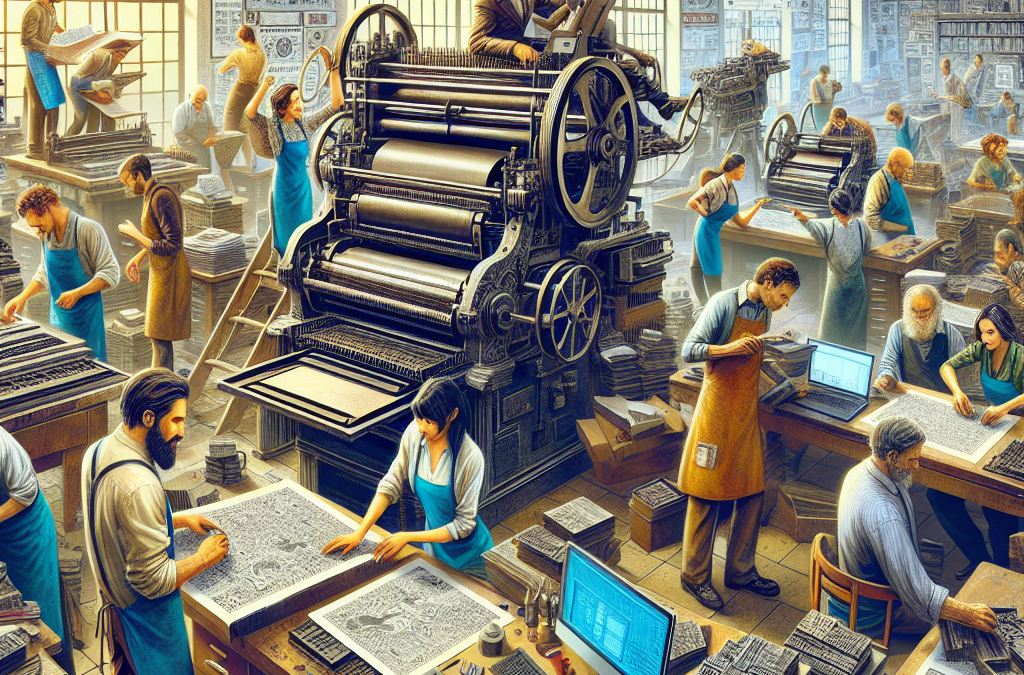
At the heart of letterpress printing is the press itself. Traditional letterpress presses are made of cast iron and consist of a flat bed, a platen, and an ink roller system. The flat bed holds the type and image blocks in place, while the platen applies pressure to transfer the ink onto the paper. The ink roller system ensures an even distribution of ink across the type and image surfaces. In the digital age, modern letterpress printers often use refurbished vintage presses or newly manufactured presses that mimic the design and functionality of the original machines.
The Type
One of the defining characteristics of letterpress printing is the use of movable type. Each individual character is cast in metal or polymer and arranged by hand to form words and sentences. In the digital age, typography has become more accessible and versatile. Designers can now create digital typefaces specifically optimized for letterpress printing. These digital typefaces can be easily manipulated, resized, and combined to create unique compositions. Additionally, advancements in 3D printing technology have allowed for the creation of custom type blocks, expanding the possibilities for experimentation and creativity.
The Inks
Letterpress printing traditionally uses oil-based inks, which are thick and slow-drying. These inks produce rich, vibrant colors and have a distinct texture when printed on paper. However, oil-based inks can be challenging to work with due to their longer drying times and the need for proper cleaning to prevent ink buildup on the press. In recent years, water-based and soy-based inks have gained popularity among letterpress printers. These inks offer faster drying times, easier cleanup, and are more environmentally friendly. While they may not achieve the same depth of color as oil-based inks, they provide a viable alternative for those seeking a more sustainable approach to letterpress printing.
The Paper
Choosing the right paper is crucial in letterpress printing. Thick, soft, and absorbent papers are preferred as they allow for better ink transfer and create a pronounced impression on the printed surface. Cotton-based papers, often made from reclaimed or recycled materials, are commonly used for their durability and luxurious feel. In the digital age, letterpress printers have access to a wider range of specialty papers, including textured and handmade options. These papers add an extra layer of uniqueness and craftsmanship to the final printed piece.
The Finishing Techniques
Letterpress printing offers various finishing techniques that enhance the visual and tactile qualities of the printed material. Embossing and debossing, achieved by applying additional pressure to the press, create raised or recessed areas on the paper, respectively. Foil stamping, using metallic or colored foils, adds a luxurious and eye-catching element to the design. Edge painting, where the edges of the paper are painted in a complementary or contrasting color, adds a distinctive touch. These finishing techniques, combined with the inherent texture and impression of letterpress printing, result in a final product that exudes craftsmanship and attention to detail.
The Digital Integration
While letterpress printing is deeply rooted in tradition, the digital age has brought new opportunities for integration. Digital tools, such as computer-aided design (CAD) software and laser cutting machines, can be used to create custom type blocks, image plates, and even intricate dies for finishing techniques. Additionally, digital workflows enable designers to create and refine their designs digitally before transferring them to the physical press. This integration of digital technology with traditional letterpress techniques opens up new possibilities for experimentation, precision, and efficiency.
The Artistic Expression
The resurgence of letterpress printing in the digital age is not solely driven by its technical aspects but also by the artistic expression it enables. Letterpress printing offers a unique aesthetic that is difficult to replicate with digital printing methods. The tactile quality of the printed surface, the subtle imperfections, and the depth of color all contribute to the charm and authenticity of letterpress prints. Artists and designers are drawn to letterpress for its ability to evoke a sense of nostalgia, craftsmanship, and individuality in a world saturated with mass-produced digital prints.
The renaissance of letterpress printing in the digital age is a testament to the enduring appeal of traditional craftsmanship and the desire for tangible, tactile experiences. While digital printing technologies continue to advance, letterpress printing stands as a testament to the rich history of printing and the enduring value of its unique qualities. As artists, designers, and enthusiasts continue to push the boundaries of letterpress printing, this traditional technique finds new relevance and appreciation in the modern world.
FAQs
1. What is letterpress printing?
Letterpress printing is a traditional printing technique that involves pressing inked metal or wooden type onto paper to create a raised impression. It was widely used from the 15th to the 20th century and is known for its distinctive tactile quality.
2. Why is letterpress printing experiencing a renaissance in the digital age?
Letterpress printing is experiencing a renaissance in the digital age due to its unique aesthetic appeal and the desire for a more tactile and authentic printing experience. In a world dominated by digital communication, letterpress offers a refreshing alternative that stands out.
3. How does letterpress printing differ from digital printing?
Unlike digital printing, which uses inkjet or laser technology to transfer ink onto paper, letterpress printing involves a physical impression. The raised type or image is inked and pressed onto the paper, resulting in a distinct texture and depth that cannot be replicated by digital methods.
4. Is letterpress printing more expensive than digital printing?
Letterpress printing can be more expensive than digital printing due to the labor-intensive nature of the process and the cost of materials. Each piece of paper must be individually fed into the press, and the setup time for each project is longer. However, the unique and high-quality results often justify the higher cost for many individuals and businesses.
5. What types of projects are well-suited for letterpress printing?
Letterpress printing is particularly well-suited for projects that require a touch of elegance and sophistication. Wedding invitations, business cards, stationery, and art prints are popular examples. The tactile nature of letterpress adds a sense of luxury and craftsmanship to these items.
6. Can letterpress printing be used for large-scale projects?
While letterpress printing is traditionally associated with smaller-scale projects, it is possible to use it for larger-scale projects. However, the setup time and cost increase significantly with larger print runs, so it may not be the most practical option for very large quantities.
7. Are there limitations to what can be achieved with letterpress printing?
Letterpress printing has certain limitations compared to digital printing. It is not well-suited for reproducing complex images or gradients, as it excels in producing crisp lines and solid areas of color. Additionally, the choice of paper and ink colors may be more limited compared to digital printing.
8. What are the environmental considerations of letterpress printing?
Letterpress printing is generally considered to be more environmentally friendly than digital printing. The process uses minimal electricity and does not require the use of harmful chemicals. Additionally, many letterpress printers use recycled or sustainably sourced paper and soy-based inks.
9. Is letterpress printing only for professionals, or can individuals try it themselves?
While letterpress printing can be a complex and specialized craft, there are options for individuals to try it themselves. There are small tabletop letterpress machines available for hobbyists, as well as workshops and classes where beginners can learn the basics of letterpress printing.
10. Where can I find letterpress printing services or supplies?
Letterpress printing services and supplies can be found both online and in local print shops. Many letterpress printers have websites where you can browse their portfolio and request a quote. Additionally, there are online marketplaces where you can find letterpress supplies and equipment.
Common Misconceptions about ‘The Renaissance of Letterpress Printing in the Digital Age’
Misconception 1: Letterpress printing is outdated and irrelevant in the digital age
One common misconception about letterpress printing is that it is outdated and no longer relevant in the digital age. However, this is far from the truth. While digital printing has become the norm in many industries, letterpress printing has experienced a renaissance in recent years.
Letterpress printing offers a unique tactile and aesthetic experience that cannot be replicated by digital printing. The process involves pressing inked type or image onto paper, leaving a deep impression and creating a distinct texture. This tactile quality has a certain charm and authenticity that many people find appealing in an increasingly digital world.
Moreover, letterpress printing allows for a level of customization and craftsmanship that digital printing often lacks. Each piece is printed individually, allowing for precise control over ink coverage and color. This attention to detail and the handcrafted nature of letterpress printing are highly valued by designers, artists, and individuals looking for a more personalized touch.
Misconception 2: Letterpress printing is time-consuming and expensive
Another misconception is that letterpress printing is a time-consuming and expensive process. While it is true that letterpress printing can be more time-consuming than digital printing, advancements in technology and techniques have made the process more efficient.
With the advent of photopolymer plates, which are used to transfer the image or text onto the printing surface, the setup time for letterpress printing has been significantly reduced. These plates can be created digitally, allowing for faster turnaround times and easier design modifications.
As for the cost, while letterpress printing may be more expensive than digital printing on a per-unit basis, it offers unique benefits that justify the investment. The tactile quality, customization options, and the craftsmanship involved in letterpress printing make it a valuable choice for special occasions, high-end branding, and limited edition prints.
Misconception 3: Letterpress printing is environmentally unfriendly
One misconception that often arises is that letterpress printing is environmentally unfriendly due to its use of ink and paper. However, letterpress printing can be an eco-friendly choice when done responsibly.
Many letterpress printers now use soy-based or vegetable-based inks, which are more environmentally friendly than traditional oil-based inks. These inks are biodegradable and have a lower impact on the environment during production and disposal.
Additionally, letterpress printing often utilizes recycled or sustainably sourced paper. Many printers prioritize using paper with high post-consumer waste content or paper certified by organizations like the Forest Stewardship Council (FSC).
Furthermore, the longevity of letterpress prints should not be overlooked. Due to the deep impression created during the printing process, letterpress prints often have a longer lifespan compared to digital prints. This durability reduces the need for reprinting and contributes to a more sustainable approach to printing.
Overall, the renaissance of letterpress printing in the digital age challenges common misconceptions. Rather than being outdated and irrelevant, letterpress printing offers a unique and valuable experience. While it may require more time and investment, the craftsmanship, customization options, and tactile quality make it a sought-after choice for many individuals and businesses. Moreover, when done responsibly, letterpress printing can be an eco-friendly printing option. The combination of tradition and innovation allows letterpress printing to thrive in the digital age.
In conclusion, the resurgence of letterpress printing in the digital age is a testament to the enduring appeal of this traditional craft. Despite the convenience and efficiency of digital printing, letterpress offers a unique tactile and aesthetic experience that cannot be replicated by modern technology. The article has explored the reasons behind this renaissance, such as the desire for authenticity, the artistic possibilities of letterpress, and the growing interest in sustainable practices.
The article also highlighted the role of letterpress in fostering creativity and community. The hands-on nature of letterpress printing encourages artists and designers to experiment and push the boundaries of the medium. Additionally, letterpress studios and workshops have become hubs for collaboration and knowledge sharing, bringing together a diverse community of enthusiasts and professionals.
While letterpress printing may never regain its former dominance in the printing industry, its revival in the digital age is a testament to the enduring power of craftsmanship and the human desire for tangible, meaningful experiences. As technology continues to advance, it is heartening to see that there is still a place for the traditional and the handmade. The Renaissance of Letterpress Printing in the digital age serves as a reminder that sometimes, the old ways are worth preserving and celebrating.
« Back to: Commercial Copier Leasing Guide | Commercial Copier Leasing South Florida